
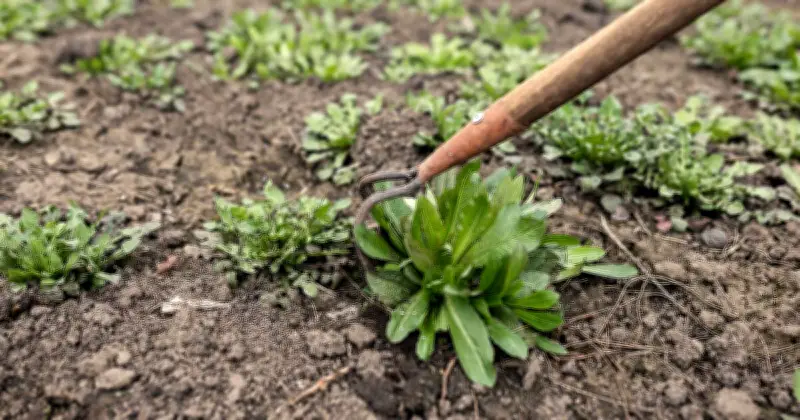
Weeds can be a persistent nuisance, especially in summer when they appear in paving cracks, flower beds, and lawns. While boiling water, white vinegar, and baking soda are common remedies, a gardening expert suggests an alternative: leftover cardboard.
How Cardboard Works
Chris Bonnett, horticulturalist and founder of GardeningExpress, explains that cardboard is an eco-friendly solution that recycles old boxes while nourishing the soil as it decomposes. Laying cardboard over problem areas blocks sunlight, which weeds need to grow, effectively suppressing them.
Step-by-Step Application
To use this method, cut cardboard to fit the area, removing any plastic tape or stickers. Lay it flat, ensuring full coverage, and press down securely. If using smaller pieces, overlap them by about 15cm to prevent weeds from creeping through gaps.
Cover the cardboard with mulch or compost to hold it in place, improve appearance, and retain soil moisture. Over time, the cardboard breaks down naturally, adding organic matter to the soil.
Benefits Over Chemicals
Bonnett recommends this approach over chemical weed killers, which can cause problems for the rest of the garden. He notes that after a few months, the decomposing cardboard benefits the soil as brown matter, creating a healthier growing environment for other plants.




