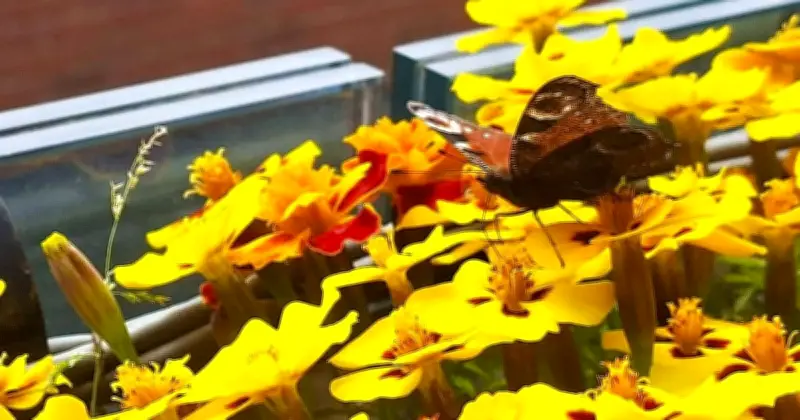
French marigolds are a low-maintenance alternative to hydrangeas and roses, providing vibrant blooms from spring to autumn with minimal effort. They thrive in full sun, tolerate heat and wind, and attract pollinators while deterring pests.
Why Choose Marigolds Over Hydrangeas and Roses?
Hydrangeas and roses are popular but demanding. Hydrangeas require partial shade and consistently moist soil, which is hard to maintain in containers on a sunny balcony. Roses have delicate stems and shallow roots, making them vulnerable to wind and heat. In contrast, French marigolds are half-hardy annuals that bloom repeatedly from spring to early autumn. They produce fine, feather-like leaves and a citrusy scent that deters pests like aphids, while attracting bumblebees, hoverflies, and butterflies.
Growing Marigolds from Seed
Sow marigold seeds in mid-spring after the last frost, when temperatures are reliably warm. In cooler regions, wait until late spring or early summer. Seeds germinate quickly, often flowering within two weeks. Sow thinly onto moist, peat-free multipurpose compost in pots, spacing seeds about 10cm apart. Marigolds need full sun—at least five to six hours daily—to bloom abundantly.
Planting Marigolds Now
You can plant marigolds in summer for instant blooms by purchasing plugs or potted plants from garden centres. Alternatively, sow seeds directly into containers or borders, keeping them well-watered and in direct sunlight.
Maintenance Tips
Water daily until established, then twice a week or when soil feels dry. During heatwaves, water once in the morning and again in the evening if temperatures exceed 30°C. Remove spent blooms to encourage more flowers. In late summer, let dead flowers turn to seed for collection or self-seeding.
How Long Do Marigolds Flower?
Marigolds typically bloom for three to four months. In mild UK climates, they can flower from April to October with regular deadheading, full sun, and consistent watering.