The number of farms for sale in England has risen to a 20-year high following the Labour Government's introduction of a 20% inheritance tax on agricultural land. Initially imposed on estates worth over £1 million, the threshold was raised to £2.5 million in December 2025 in an attempt to quell backlash. However, the move may have only increased uncertainty in the sector.
Record number of farms on the market
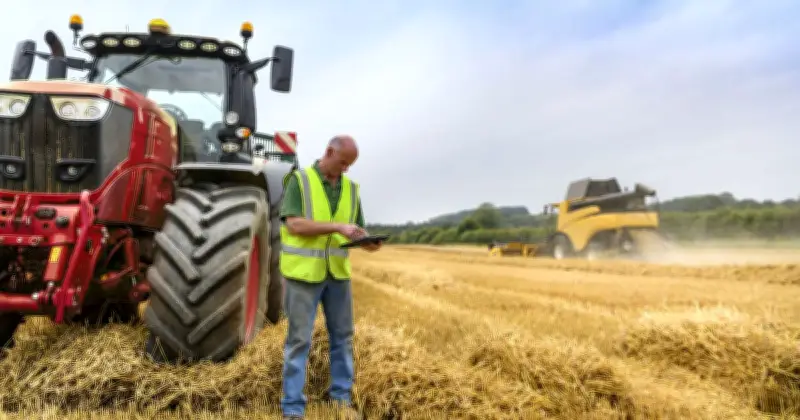
According to land agent Strutt & Parker, 177 farms were put on sale in the first half of 2026, the highest number in any six-month period since 2007. This marks a 16% increase on the five-year average. Sam Holt, head of estates and farm agency at the firm, said extreme weather, rising machinery, fuel and fertiliser costs had also contributed to the trend.
Holt told the Financial Times: "It's generally smaller farms coming to the market. It's been a really challenging few years for the farming industry. Downward pressure on farm incomes and rising input costs make you start to question how sustainable it is to run a farm."
Impact of tax policies and market conditions
The shift in viability could see even more small, family-run farms absorbed into larger estates. Industry consultancy the Anderson Centre shows that the number of full-time farms in the UK dropped from 66,510 in 2000 to 55,980 in 2010 and 51,350 in 2025. While the Government's disincentivisation of buying farmland for its tax perks appears to have been successful, the returns seen by working farmers have become so "poor" that buyers with the intention of working the land are also put off, Holt said.
Future viability depends on government policy
Holt added that the sector's future viability now depends on the Government's approach and the delivery and implementation of its Farming Roadmap. But "the more influential factor" when it comes to current sentiment is Sir Keir Starmer's resignation, which has introduced uncertainty to the market and speculation about future tax policy.