
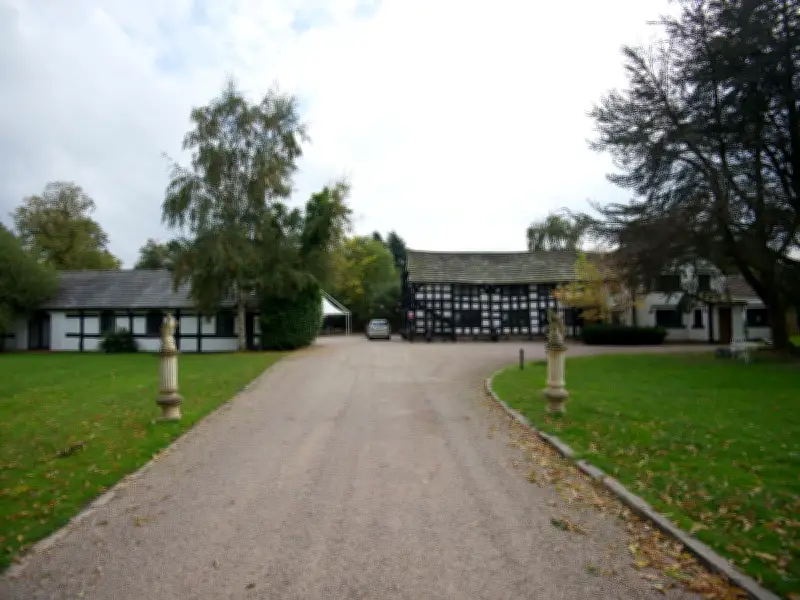
Davenport Green Hall, a Grade II listed building in Hale Barns dating back to 1617, has fallen into disrepair and requires emergency action to prevent further ruin, according to planning documents. The hall is linked to Richard Grantham, a commander during the English Civil War, and is recognised as a 'monument of exceptional architectural and historic interest'.
Current Condition and Concerns
Rotting timbers, 'ongoing structural movement' and 'significant historic deformation' are among the issues raised. The hall, off Shay Lane, needs emergency repairs to halt deterioration. A plan submitted to Trafford council by applicants Dr Noman Ehsan and Mr Asim Zafar seeks permission to convert part of the ground floor into a 'boutique coffee bar' to fund the repairs. The remainder of the building would remain in residential use.
Past Controversies
The wider estate, including The Coach House and The Cheshire Barn, gained local notoriety in the 2010s. In 2014, the company behind it, Davenport Green Hall Ltd, pleaded guilty to ten food hygiene and two health and safety offences at Trafford Magistrates' Court, ordered to pay over £60,000. At the time, it was an upmarket wedding destination charging up to £14,500 per wedding. Issues included lack of training, lack of hot water, poor food safety management, and pest control. In 2016, inspectors found mouldy food, dirty fridges, and mould in flour, kitchen dishwasher, fridges, and wine bottles.
Applicants' Response
Dr Ehsan and Mr Zafar acknowledged the past issues but stated they related to the adjacent barns, not the hall itself. They said: 'Those historic issues relate to the adjacent venue operation and should not be treated as a reason to resist the sensitive reuse of Davenport Green Hall itself. The Hall can be controlled through its own operational framework, including conditions relating to opening hours, servicing hours, waste collection hours, external lighting, amplified music, outdoor seating and a final Operational Management Plan.'
Proposed Plan
The plan includes remodelling the ground floor with new fittings, kitchen facilities, toilets, and improved access. Residential areas would remain separate with a 'private' and 'secure' entry corridor and 'acoustically considered partitions'. The applicants argue the scheme would 'secure the vital investment required to execute emergency structural stabilisation' without losing the building's 'unique residential character'.




