
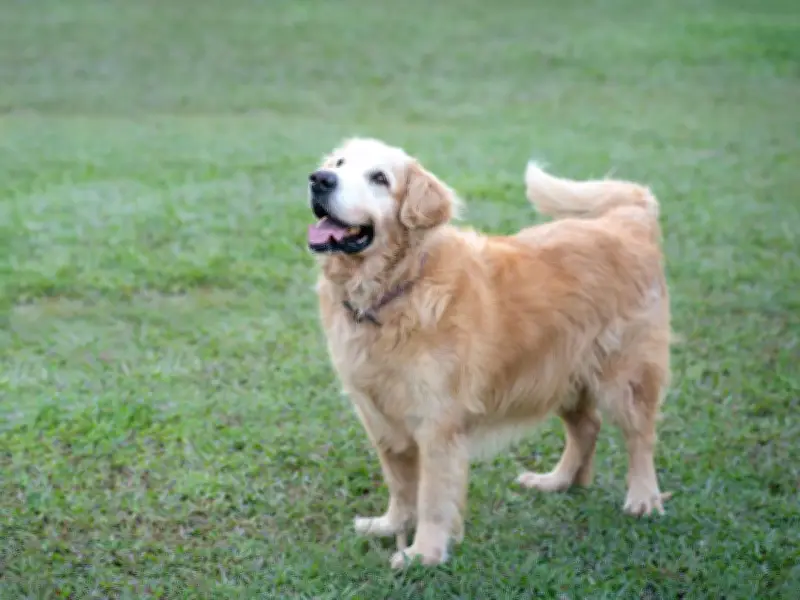
Many dog owners and enthusiasts recognise that our four-legged friends have various methods of communication. While some may find it utterly endearing or mildly annoying, a dog's lick carries real meaning, according to an expert.
Why Dogs Lick and Nuzzle
Vet Dr Julian Norton, representing Pure Pet Food, said: "People sometimes ask why dogs nudge and nuzzle with their noses. Part of the reason is that dogs really feel part of the family and part of the tribe, and they're trying to get attention by nuzzling you."
These behaviours aren't random – they demonstrate your dog's desire to establish a bond with you. Dr Norton continued: "It's quite endearing. I think it's a bit like when dogs come and lick us on our face or hands or that sort of thing. They're just really wanting to be part of the family and get some attention."
Licking as Emotional Connection
The vet explains that licking frequently serves as a means of bonding or emotional connection. Whether it's a gentle lick on the hand or a more enthusiastic one on the face, your dog could be gauging your emotional state. It's their manner of saying "I care". Yet licking is just one of many ways dogs communicate and engage with their owners.
Tail Wagging Misunderstood
Tail wagging is another gesture commonly misunderstood. Plenty of people assume that a wagging tail invariably signals a happy dog, but reality is more complex. The position, pace and stiffness of the wag can indicate a spectrum of feelings from joy to anxiety.
- Raised, relaxed wag: Typically signals excitement.
- Low, sluggish wag: Could suggest discomfort or wariness.
Dogs Can 'Smile' Too
Even more remarkably, dogs can appear to "smile" when they're feeling playful or content. Although it's not quite the same as a human smile, some dogs curl their lips in a manner that closely resembles a grin. When paired with relaxed body language and a wagging tail, this facial expression is a sure-fire sign of a happy dog.
Strengthening Your Bond
These subtle cues, from licks to wagging tails to smiling faces, all help to strengthen the bond between you and your four-legged companion. By learning to read them, you can nurture a deeper connection and a happier, more confident dog.




