Dr Rajan Karan, known as Dr Raj to his five million TikTok followers, is urging people to add beans to their meals to improve their health. In a video, he explained that swapping some meat for beans can increase fibre intake while reducing saturated fat consumption.
Study Shows Significant Health Benefits
Dr Raj referenced a 2025 study published in the European Journal of Nutrition. Researchers at the University of Helsinki instructed 51 men to reduce their red and processed meat intake to just 200 grams per week—about five per cent of their total protein intake. Meanwhile, they increased their legume consumption, specifically peas and faba beans, to 20 per cent of their protein intake. The men continued eating chicken, eggs, fish, and other protein sources as normal.
After six weeks, the legume group lost an average of one kilogram (2.2 pounds) without being told to restrict calories. They also showed lower levels of total and LDL (bad) cholesterol, reducing their risk of heart disease. Surprisingly, their iron levels improved despite red meat being a traditional source of dietary iron.
Simple Swaps for Everyday Meals
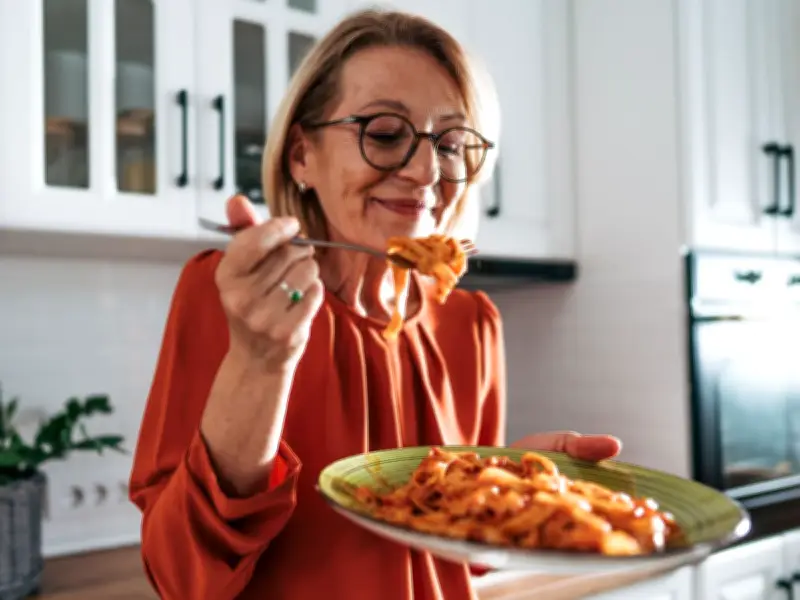
Dr Raj suggested practical ways to incorporate beans into meals. “When making spaghetti bolognese, use half the amount of beef mince and top it up with beans. You’d barely notice it because beans virtually taste of nothing, and you're sneaking in fibre, polyphenols, and a saturated fat-free protein source,” he said.
Study author Professor Anne-Maria Pajari noted that participants didn't closely monitor their eating, yet the legume group lost significantly more weight than the meat group. “We didn’t encourage the participants to lose weight, but asked them to continue eating as before, apart from consuming the foods we provided,” she said.
Nutritional Impact and Accessibility
Professor Pajari added that critical nutrient intake wasn’t compromised in the legume group, likely because they remained on mixed diets. However, she called for more research on plant-based diets in vulnerable populations like children and older adults. She highlighted that the legume products used were quick to cook, and recipes were provided to encourage use. “Based on our findings, I believe a moderate dietary change towards a more sustainable direction, using peas, beans and lentils, is possible for most of us,” she concluded.