The Adaptation Imperative: Why We Must Invest in Smarter Crops
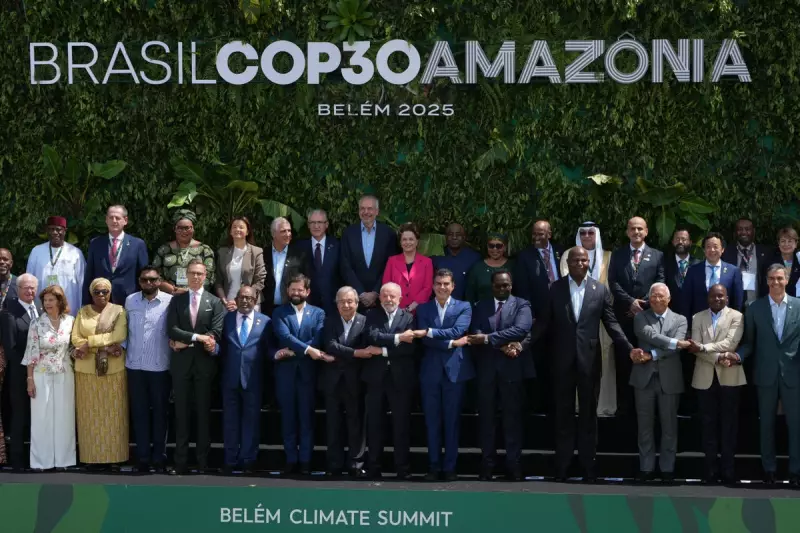
As world leaders convene in Brazil for COP30, a stark reality confronts the global community: climate change is no longer a future threat but our present reality. Sir Thomas Hughes-Hallett, chair of the John Innes Centre, asserts that while reducing emissions remains vital, the world must urgently shift focus towards adaptation – particularly in how we grow our food.
Bill Gates recently emphasised looking beyond emissions and temperature changes when setting priorities, a position Sir Thomas strongly endorses. The fundamental challenge? Feeding a global population projected to reach 9.7 billion by 2050 requires producing 70% more food despite increasingly unpredictable weather patterns, new pests, and deteriorating soil conditions.
The Glaring Funding Gap in Plant Science
While billions pour into renewable energy and electric vehicles, plant science receives disproportionately little support. "At a time when our survival depends on these crops, the science that could secure them receives all too little support from responsible businesses and philanthropists, as well as governments – globally, a fraction of medical science," Sir Thomas reveals.
Consider wheat, the foundation of global food systems that feeds billions directly and indirectly. Astonishingly little philanthropic funding supports basic plant science that could make future crops more resilient to heat, drought, and disease. The same underinvestment affects numerous crops, fruits and vegetables essential for healthy human diets.
Medical research commands vast public sympathy and funding, while animal welfare attracts significant charitable giving. Yet plant science – the foundation of every meal – remains largely invisible. In the UK and Europe, charitable and philanthropic support for plant research represents a fraction of what's given to human health.
Britain's Leadership in Plant Science Innovation
Britain maintains its world-leading position in this critical field. From Darwin's pioneering work to modern genomics, British researchers have consistently shaped global understanding of life itself. Today, this tradition continues at the John Innes Centre in Norwich, one of the world's foremost institutes for plant and microbial research, working alongside its partner, The Sainsbury Laboratory.
The UK Government has recognised the centre's importance by supporting development of a renewed national and international hub for plant science in Norwich. The Norwich Research Park, where the John Innes Centre is situated, brings together excellence in food science, data science, and climate science within a thriving business environment.
Sir Thomas argues that prioritising plant science could deliver multiple benefits: "We could literally save our NHS by reducing chronic diseases, obesity, and diabetes driven by poor diet, through breeding new, healthier, tastier crops combined with changes in eating habits." This represents the crucial first step toward a second green revolution.
The Path Forward: From Carbon Reduction to Smarter Cultivation
Discovery science remains indispensable for meaningful progress. Applied research can only achieve so much without deep understanding of fundamental processes. We need comprehensive knowledge of how plants defend themselves from disease, fix nitrogen, store carbon, and interact with soil microbes.
These aren't merely engineering challenges but scientific ones requiring decades of patient, curiosity-driven work – exactly the type of research today's philanthropic and funding systems frequently neglect.
Brazil, as COP30 host, provides the perfect stage for this message. As a nation of extraordinary biodiversity, agricultural power, and climate vulnerability, it embodies the global challenge. However, prioritising plant science must become a shared international mission.
If the world continues underestimating plant science's importance, the next generation will inherit not just a hotter planet, but one less capable of feeding itself. The climate is changing, and our diets must evolve accordingly. The critical question remains whether we will invest sufficiently now to understand the plants that make both possible.
Sir Thomas concludes: "If COP in Brazil can shift global thinking from trying to reverse the inevitable to preparing wisely for what's to come, it will have achieved something historic. The next great act of climate leadership is not just cutting carbon – it is growing smarter plants for a world we can no longer predict."