Cats Protection has shared a simple method for pet owners to measure how much water their cat drinks each day, along with tips to encourage hydration during hot weather. The charity advises using a measuring jug to track intake accurately.
How to Measure Your Cat's Water Intake
The method involves filling a measuring jug with water at the start of the day and noting the amount. This water is then placed in the cat's bowls. At the end of the day, leftover water is poured back into the jug, and the amount is recorded. Subtracting the leftover from the initial amount reveals how much the cat has drunk.
Common Mistakes: Food Bowl Placement
Many owners place the water bowl next to the food bowl, but Cats Protection warns against this. The charity explains that cats prefer to eat, drink, and toilet in separate locations, a behaviour inherited from their African wildcat ancestors. This instinct helps avoid contaminating water with waste from prey or their own waste.
Tips to Encourage Drinking
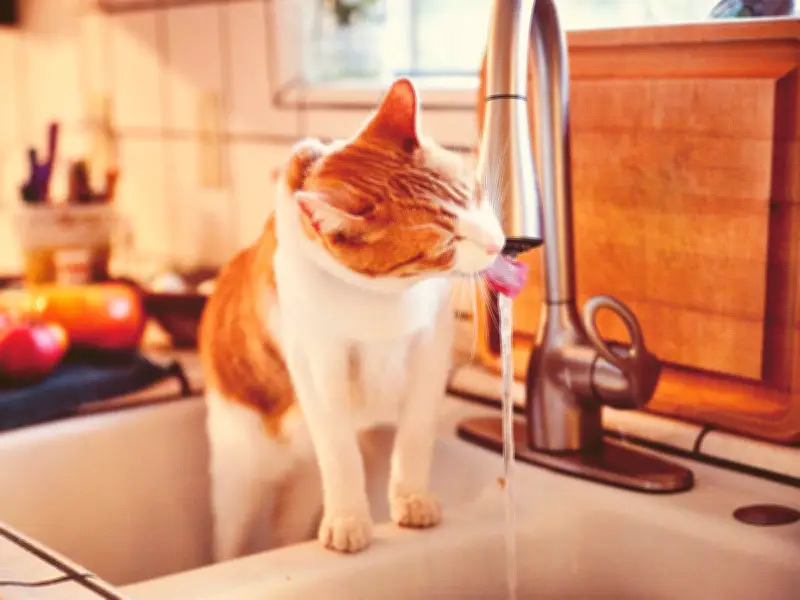
Cats Protection recommends using wide, ceramic bowls, as plastic bowls can taint the taste of water in hot weather. Many cats also prefer running water. The charity emphasises that cats should always have access to fresh, clean water. While cats typically need less water than dogs due to their ancestry, they are prone to dehydration.
Health Risks of Dehydration
Dehydrated cats may face health issues such as constipation and lower urinary tract disease. Older cats, aged 11 and above, require extra hydration as their kidneys may need support to function properly. Any changes in eating or drinking habits could indicate a medical problem, and owners should consult a vet if concerned.
Milk Myth
Contrary to popular belief, cats should not drink milk. Many are lactose intolerant, and milk can cause vomiting, diarrhoea, and stomach pain. Water remains the best hydration source for cats.