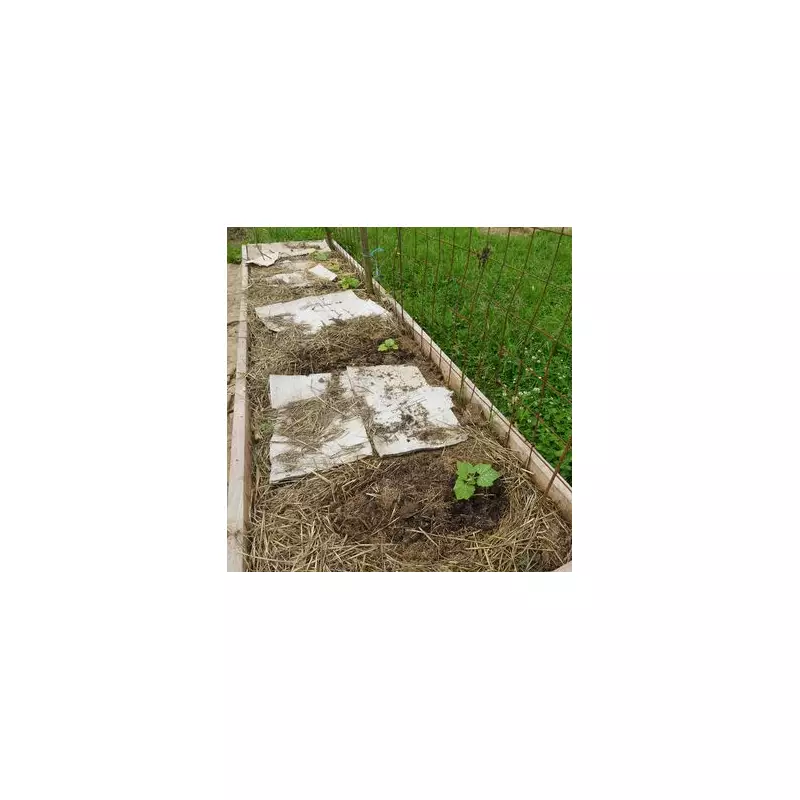
As the chill of winter sets in, green-fingered Brits are being urged to try a remarkably simple and effective technique to prepare their gardens for the colder months. Gardening expert and content creator Amy May has championed the 'cardboard method', a game-changing approach that promises to boost soil health with minimal effort.
What is the Cardboard Gardening Method?
The technique, formally known as sheet mulching, is an organic gardening practice designed to suppress weeds and enhance soil fertility without the need for disruptive digging. It cleverly mimics natural processes by creating layers of organic materials that break down into rich, fertile earth.
This method is particularly beneficial during winter when plants enter dormancy and soil is best left undisturbed. By blocking sunlight, the cardboard effectively stops weeds in their tracks while simultaneously decomposing to nourish the ground beneath. It's a sustainable, low-cost solution that also helps recycle household waste.
How to Implement the Cardboard Technique in Four Simple Steps
1. Prepare the Area: Begin by trimming any tall weeds or grass and clearing away debris such as rocks or tree stumps. This creates a smooth surface for the cardboard.
2. Lay Down the Cardboard: Use old, plain brown cardboard packaging, ensuring you remove any tape, staples, or glossy labels first. Lay the sheets over the soil, overlapping the edges by about four inches. Lightly wet the cardboard to kickstart the decomposition process.
3. Add Organic Layers: Cover the cardboard with a layer of compost, leaves, or grass clippings. Then, top it off with mulch to hold everything in place and add further nutrients.
4. Let Nature Take Its Course: Apply this sheet mulching before winter truly bites and allow it to work its magic over the coming months. You can water the layers occasionally to aid decomposition. If you wish to plant anything, simply cut a hole through the cardboard to accommodate your new plants.
Why This Winter Method is a Game-Changer
This no-dig approach is far less disruptive to your garden's ecosystem than traditional digging. It protects the soil structure, encourages beneficial organisms, and creates perfect conditions for spring planting. By following Amy May's advice and implementing this method in the recent weeks leading into winter, you can ensure your garden awakens in spring healthier and more vibrant than ever.