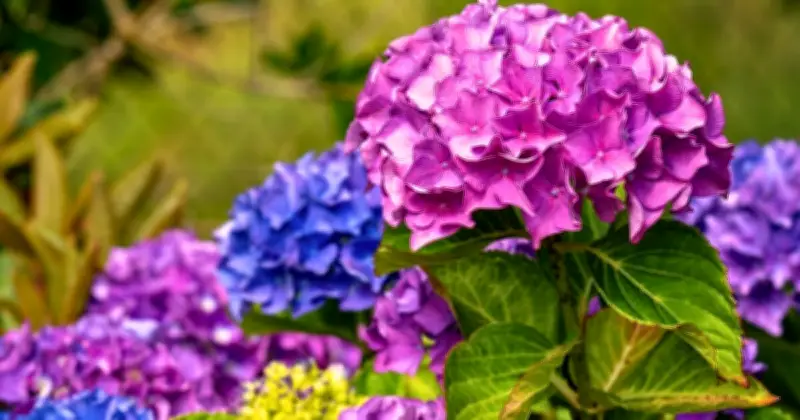
Hydrangeas are at their most stunning during summer, but gardeners need to keep a close eye on their leaves over the coming weeks, or they could struggle to bloom again. July is typically one of the driest months in the UK, and hydrangeas can suffer even with regular watering, owing to their shallow roots, which are unable to hold much moisture. This means transpiration, the process by which plants lose water through their leaves, can occur rapidly in hot weather, placing enormous strain on hydrangeas. If leaves are curling, turning brown or appearing crispy, it's a clear sign that heat damage has set in and the plant will need urgent attention.
Why Heat Stress Harms Hydrangeas
The hot weather puts enormous strain on hydrangeas. Hydrangeas that endure prolonged heat stress will produce fewer flowers the following year, and old wood varieties are likely to fail to bloom altogether, as their buds will have been too badly damaged by the heat to survive. Should the overheated soil harm the roots, the plant will find it increasingly difficult to absorb water, which can prove fatal for hydrangeas that are left untreated or are still young.
The Simple Solution: Mulching
Fortunately, specialists at Gardening Know How have shared that protecting your hydrangeas and avoiding any lasting damage is straightforward, provided you mulch correctly. They said: “Bare, dark soil around your hydrangeas acts like a heat sink. The soil absorbs a lot of the heat from the sun, cooking delicate roots underground and causing moisture to evaporate quickly. Hydrangeas tend to suffer from this heat and dryness in the summer, so take steps to reduce the effect. The best thing you can do is mulch generously around each shrub. Two to three inches of mulch does several things to support healthy plants: it regulates the soil temperature, keeps it cooler, holds moisture, and suppresses weeds. All essential for growing those stunning, billowy hydrangea blooms.”
Mulching is a straightforward gardening technique that involves covering the soil around a plant with organic material, helping to shield it during the harshest weather conditions. During the summer months, wood chips or straw are the most suitable mulch for hydrangeas, as they retain a significant amount of moisture and keep the plant roots hydrated even through the peak temperatures of July. Applying mulch can also insulate the soil and safeguard the roots against dramatic temperature fluctuations, reducing the likelihood of hydrangeas suffering from heat stress.
How to Apply Mulch Correctly
Organic mulches are readily available at garden centres and stores like B&M and Home Bargains. All you need to do is pile up the mulch around the base of each hydrangea, but keep a few inches around the stems bare. This reduces the risk of rotting and pests. However, it's important to continue watering hydrangeas deeply once or twice a week as inconsistent moisture is one of the biggest and most harmful issues hydrangeas face in the heat of summer, according to the experts.