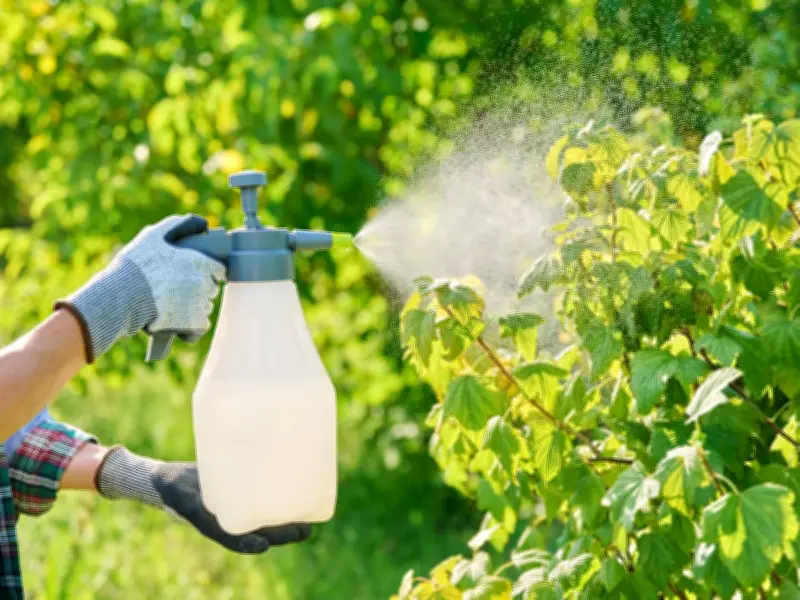
Horticultural expert Benedict Vanheems has shared a simple 50p garlic bulb recipe to help gardeners naturally repel pests like slugs, aphids and whitefly without resorting to harsh chemicals.
The science behind garlic as a pest repellent
Vanheems explains that when garlic is cut or minced, it releases a compound called allicin, a sulphur-containing compound that gives garlic its pungent aroma. While humans love it, insects do not. Allicin confuses insects' sensory receptors, masking the signals that guide pests to their target plants. Additionally, garlic acts as a natural anti-fungal and anti-bacterial agent, providing protection against issues like powdery mildew.
How to make the garlic spray
To make the spray, Vanheems uses a whole head of garlic (around 10 cloves, costing about 50p), a litre of water, and an ecological soap such as Castile soap or Ecover's multi-purpose cleaning liquid. After removing the skins, he blends the garlic with roughly a cup of water into a slurry. He then adds a teaspoon of soap and more water, mixes well, and leaves it overnight to infuse. The next morning, he filters the liquid through a fine sieve or muslin cloth to remove particles that could clog a spray nozzle.
Application and storage tips
The spray can be used immediately in a spray bottle. If stored, it should be kept in a jar in the fridge for up to a week, as the allicin breaks down and becomes less effective after that. For more severe infestations, Vanheems suggests adding two tablespoons of sunflower, canola or vegetable oil to the mixture and letting it sit for at least 24 hours. This concentrated spray must be diluted with at least half a litre of water to avoid harming plants.
Vanheems recommends conducting a patch test on a hidden part of delicate plants first to check for discolouration. He also advises applying the spray in the evening to avoid scorching leaves in direct sunlight and to protect pollinators, which are less active at that time. For infestations, the spray should be applied two to three times weekly, or once weekly as a preventative measure, with an extra application after heavy rainfall.