Expert Reveals 3 Key Plants to Attract Birds to Your Garden This April
Many garden enthusiasts cherish the sight of birds flocking to their outdoor spaces, and there are numerous methods to entice these feathered visitors to return consistently. With spring weather improving and more people spending time outside, April presents an ideal opportunity to welcome wildlife into your garden.
Three Plants That Act as Natural Bird Feeders
Senior Horticultural Content Manager at Fothergill's, Pim Dickson, has highlighted specific plants that serve as excellent natural attractants for birds. Dickson, whose expertise is followed by thousands on social media, advises gardeners to focus on berry-producing shrubs and seed-bearing flowers.
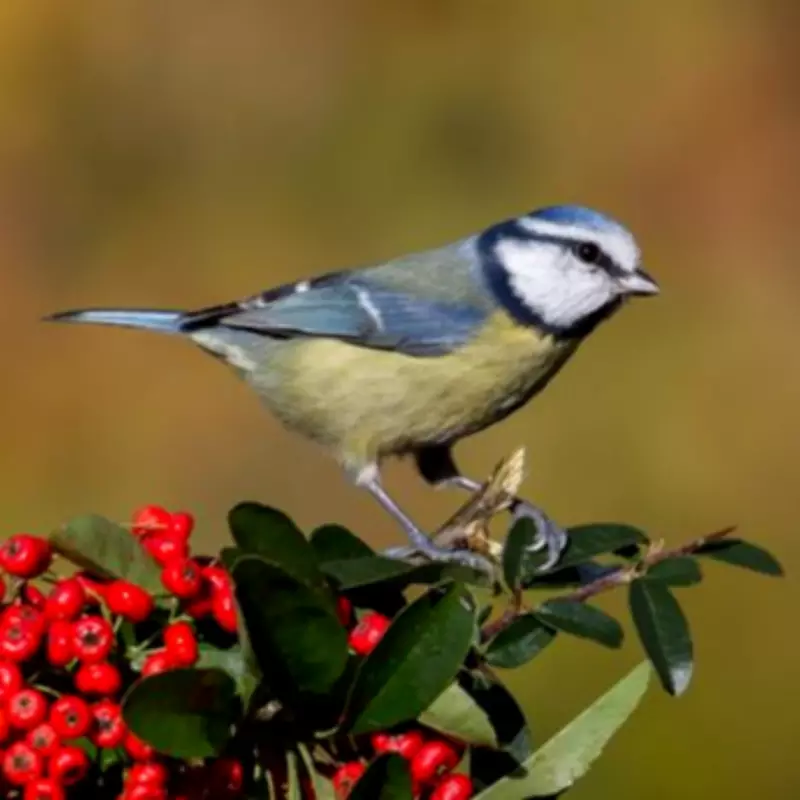
"Forget expensive bird feeders that require constant refilling," Dickson stated. "The most intelligent approach to feeding garden birds is cultivating plants that perform the task for you. Berry-producing shrubs such as hawthorn, holly, and viburnum function like all-you-can-eat buffets for hungry birds during colder months."

Dickson also recommends allowing certain flowers to go to seed rather than deadheading them promptly. "Sunflowers, for example, produce seeds that finches and sparrows absolutely adore. The same principle applies to plants like echinacea and alliums. Permit them to set seed and observe birds flocking to your garden."
Even plants often considered weeds, such as teasels, can become crucial food sources when left undisturbed. Timing plays a significant role in wildlife-friendly gardening practices.
Optimal Planting Strategies for Year-Round Attraction
To maintain a steady stream of avian visitors, Dickson suggests ensuring plants flower at different times throughout the year. "Spring bulbs including crocuses and snowdrops provide early nourishment when pollinators first emerge, while summer herbs help bridge gaps between seasons."
Attracting birds becomes relatively straightforward once gardeners grasp these fundamental principles. Simply incorporating specific plants into your outdoor space can make a substantial difference in wildlife activity.
Essential Planting Guidelines for April
While the prime planting window for hawthorn, holly, and viburnum typically falls between November and March, April offers excellent opportunities for introducing other bird-friendly plants.
Echinacea (coneflowers) and alliums can both be planted in April, though each possesses slightly different ideal conditions. April is considered a superb month for echinacea planting, whereas it's slightly late for alliums, although still feasible with proper care.
For April planting, consider these recommendations:
- Utilize potted or container-grown specimens for best results
- Bare-root plants can be introduced in early spring provided soil isn't waterlogged
- Select locations offering full sunlight with well-draining soil
- Ensure young plants receive adequate water during establishment, particularly in dry periods
April also presents a perfect opportunity to begin planting sunflowers. Gardeners can either sow seeds indoors in containers or place them directly into soil from mid-April onward. Remember that sunflowers require sunny, sheltered positions with free-draining soil and regular watering to thrive.
By implementing these expert recommendations, gardeners can create inviting habitats that encourage birds to visit regularly throughout the year, transforming outdoor spaces into vibrant wildlife sanctuaries.