How a 21p Garlic Drench Can Protect Your Plants
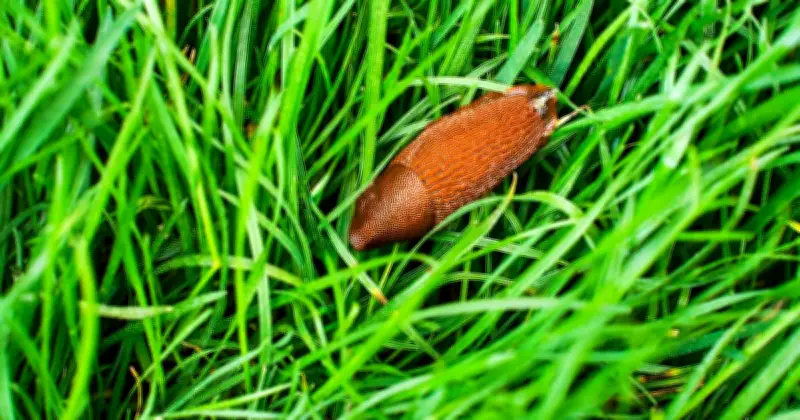
A BBC Gardeners' World reader survey has revealed that a homemade garlic drench, costing as little as 21p per bulb, is one of the most effective natural methods to deter slugs from garden plants. Slugs are notorious for destroying seedlings, leaving ragged holes in leaves, flowers, stems, bulbs, tubers, and potatoes, along with a distinctive silvery slime trail.
These gastropods are most active during spring and summer when young, tender growth is abundant. They burrow into soil or hide in cool, damp spots during the day and emerge at night, especially in damp and mild conditions.
Simple Three-Step Garlic Drench Recipe
To create the garlic drench, BBC Gardeners' World recommends crushing two whole garlic bulbs and boiling them in a couple of pints of water. After straining and cooling the liquid, combine one tablespoon of the mixture with four litres of water. Pour this over young plants once a week in the evening, or spray directly onto foliage for complete coverage. Reapply after rainfall.
A four-pack of garlic costs as little as 87p at supermarkets such as Tesco and Sainsbury's, equating to roughly 21p per bulb, making this an affordable and natural solution.
Other Top-Rated Slug Control Methods
The survey also highlighted picking slugs off plants after dark as the most popular approach. Gardeners are advised to go out two hours after sunset with a torch and a bucket of salt water. For a humane option, collect slugs and relocate them away from the garden. To attract slugs to a specific area, use enticing baits like dried cat food, old vegetables, oats, bran, or bread rolls.
Creating barriers is another widely recommended method. Slugs struggle with prickly or rough surfaces, so effective deterrents include bark, cocoa chips, sawdust, ash, cat litter, horticultural grit, wool pellets, coffee grounds, and sand. Barriers should be refreshed regularly, as slugs often live underground.
Unconventional Yet Effective Tactics
Some unusual methods from the survey include applying petroleum jelly as a greasy barrier around seed trays and pots, attaching double-sided sticky tape coated with salt around pot rims, and burying beer traps filled with cheap beer in the soil.
These natural and cost-effective techniques offer gardeners a range of options to protect their plants without relying on chemical pesticides.