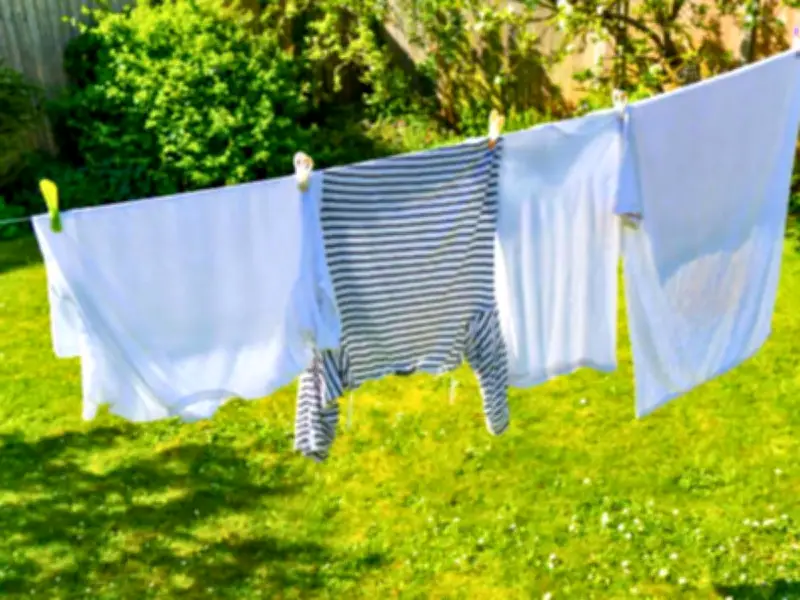
Households are being urged to follow the 12pm laundry method when drying clothes outside in summer to reduce pollen cling. Experts at Allure Bath Fashions advise that drying laundry between 12pm and 4pm can significantly lower the amount of pollen that settles on fabrics.
Why Timing Matters for Pollen Avoidance
Grass pollen peaks in July, and on windy days, airborne particles cling to clothing and bedding left outside. Once trapped in fabric, pollen can trigger hay fever flare-ups, causing itching, streaming eyes, and coughing for weeks. Drying indoors is impractical due to humidity, and tumble dryers increase energy bills.
The experts explained: "For the best results, aim to dry your clothes outside between 10am and 4pm, making the most of exposure to the strongest sun to prevent dampness. It is also good to note that drying laundry between 12pm and 4pm can help reduce the amount of pollen that settles on fabrics."
Pollen Levels and the Best Time to Hang Laundry
Pollen counts are typically highest early in the morning, as plants release pollen at sunrise and it lingers near the ground. Levels fall around midday when heat causes pollen to rise higher into the atmosphere, reducing concentration at ground level. The ideal time to hang laundry is after midday, and washing should be brought indoors before 4pm, as cooling air causes pollen to drift back down.
While this is not an exact science—pollen levels also depend on temperature and humidity—drying in the afternoon remains the most reliable method to keep laundry pollen-free.
Additional Tips to Prevent Pollen on Laundry
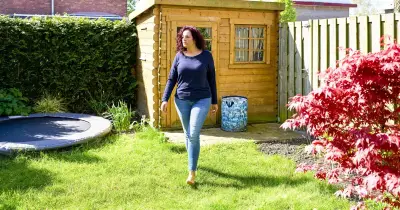
To further reduce pollen, shake clothes thoroughly before bringing them inside. Avoid leaving clothes out for extended periods, especially into the evening, when cooler air allows pollen to settle. Where possible, place drying racks or washing lines on patios or paved areas away from grass, hedges, flowerbeds, and trees, as pollen concentrates near vegetation.