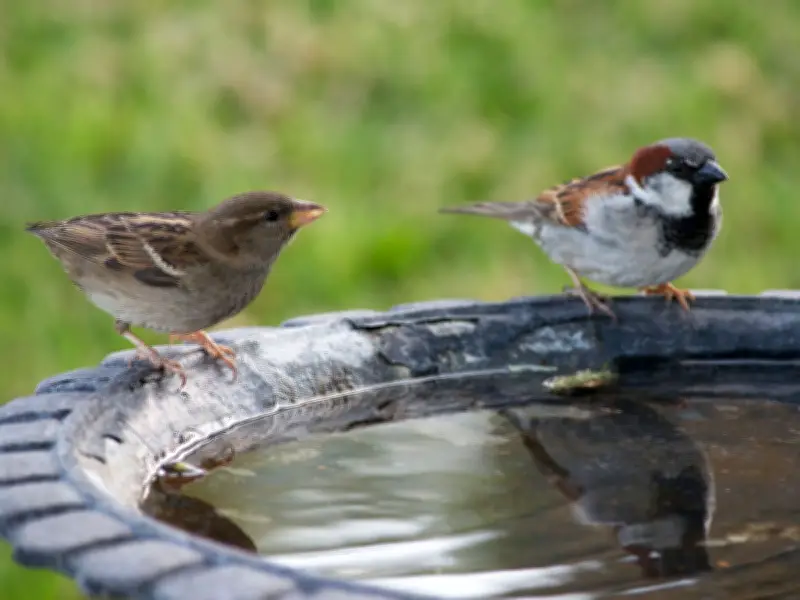
Gardeners and bird enthusiasts are being encouraged by wildlife experts to perform a simple one-minute task every day throughout July to support bird health during the summer. The task involves refilling bird baths or shallow dishes with fresh water daily, which helps prevent the spread of fatal diseases such as trichomoniasis and ensures birds stay hydrated in hot weather.
Why Fresh Water Is Crucial in July
As summer temperatures rise, natural water sources like puddles and ponds may dry up, making garden water supplies vital for birds. Lucy Taylor, a wildlife expert from Vine House Farm, told Ideal Home: "The most important thing that you can do in July to support birds is to refill bird baths with fresh water daily. The warmer weather we experience in July means that other sources of water relied on by birds may have dried up, and they need to drink to replace the fluids they lose in the heat."
Without proper maintenance, bird baths can become breeding grounds for trichomoniasis, a contagious parasitic disease transmitted through contaminated saliva. Infected birds can pass the disease to others via shared water sources. Trichomoniasis causes severe lesions in the throat and upper digestive tract, leading to difficulty swallowing, lethargy, and weight loss. It commonly affects finches, especially Greenfinches and Chaffinches, as well as pigeons and doves.

How to Maintain a Safe Bird Bath
Gardeners do not need a dedicated bird bath; a shallow dish placed in a cool, shaded spot away from dense shrubs is sufficient. The dish should be emptied and cleaned daily, then allowed to dry completely before refilling. This routine reduces the risk of disease transmission. James Ewens, bird specialist at Green Feathers, explained: "Providing water in the month of July is so important for many reasons, the main and most obvious one being the warmer weather. In July, rainfall is limited, and temperatures tend to be higher, making it more difficult for birds to access water to cool down, hydrate and maintain their feathers."
Position the water source out of direct sunlight to prevent rapid evaporation and algae growth. Keep it a few metres away from hedges or shrubs to protect birds from predators.
Feeding Tips to Prevent Disease
The RSPB advises avoiding peanuts and seeds between May 1 and October 31, as trichomonosis spreads during summer and autumn. Instead, offer small amounts of mealworms, fat balls, or suet year-round to reduce disease risk while supporting bird nutrition.