
Donald Trump is a danger to US democracy, but the resistance is working, according to Kenneth Roth, a Guardian US columnist and former executive director of Human Rights Watch. In a recent opinion piece, Roth argues that while Trump has made dangerous inroads in his push toward autocracy, the prospects for his success are dimming due to a robust system of checks and balances and widespread opposition.
Trump's Autocratic Playbook
Roth notes that Trump is implementing the classic autocrat's playbook by chipping away at restraints on executive authority. He has made dangerous inroads, but in most cases, the opposition has been significant. The Republican-led Congress has been disappointing, largely swallowing Trump's excesses out of fear of primary challenges. They enacted his tax cuts for the rich and healthcare cuts for the working class, but found their backbones only recently to oppose funding for his ballroom, a slush fund for his cronies, and voter suppression proposals.
Courts and Media Push Back
The courts have a mixed record. More than 300 lawsuits have contested Trump administration actions, many temporarily successful. The Supreme Court has handed Trump victories on campaign finance, immigrant deportation, racial gerrymandering, and executive power, but even the 6-3 conservative majority blocked his efforts to impose tariffs, limit mail-in voting, remove a Federal Reserve board member, and restrict birthright citizenship.
Outside government, the media remains strong despite Trump's libel suits and regulatory oversight. For example, his pressure on CBS News' corporate owners, who needed government permission for a merger, led to the appointment of a controversial editor-in-chief friendly to the administration, sparking an exodus of 60 Minutes staff. Similarly, Jeff Bezos fired much of the Washington Post's international staff amid concerns about antagonizing Trump, but independent voices remain strong through outlets like the New York Times and the Guardian, as well as social media and podcasts.
Universities and Civil Society Resist
Universities have largely weathered the storm. Trump has tried to rein them in by withholding government grants for science and medical research, creating financial hardship. Only a handful of universities cut deals with the administration, most disturbingly Columbia. Harvard sued the administration, and no university joined a Trump-proposed compact that would have traded government funding for greater government intrusion on university independence.
Several major law firms struck deals after Trump threatened to bar them from government agencies, but they were pilloried for agreeing to provide millions in pro bono services for Trump's causes. Other law firms fought back successfully and brought lawsuits against the administration, reportedly benefiting from clients who prefer lawyers who stand up to the administration.
Civil society remains threatened but largely untouched. Groups like the ACLU have led many lawsuits, while Human Rights Watch criticizes Trump's foreign policy. Trump brought concocted criminal charges against the Southern Poverty Law Center, and organizations dependent on government funding are self-censoring, but the cacophony of voices from all political views remains impressive.
Public Protests and Voting Power
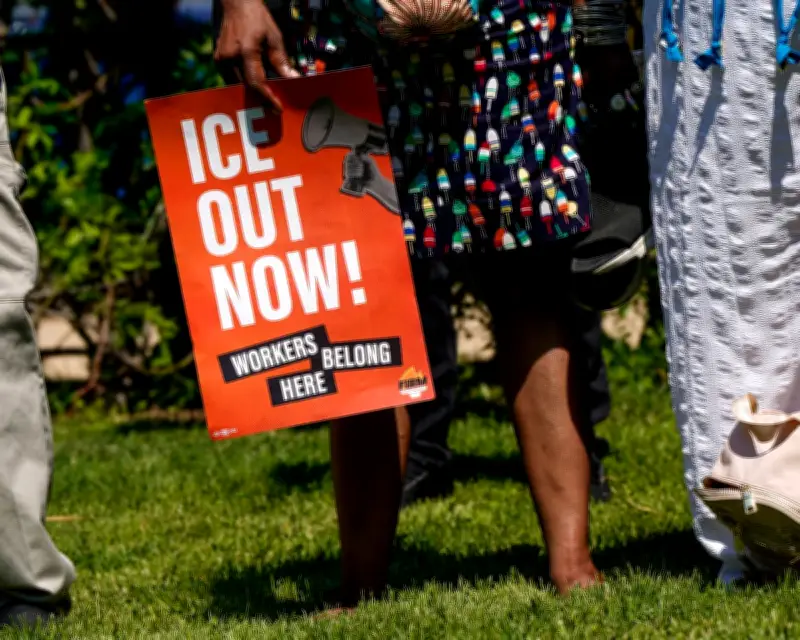
The public has taken to the streets. The nationwide 'No Kings' protests showed deep discontent with Trump's monarchical inclinations. Protests broke out against deportation raids, and public outrage after federal agents killed two protesters in Minneapolis helped force a less aggressive approach.
The ultimate check remains the voting public. Polls suggest Republicans are due for a shellacking in the midterms. The American people seem to want a government that serves them, not one that indulges Trump's grievances, enriches his family, fuels inflation, and belittles the affordability crisis.
Roth concludes: 'It is a moment to affirm that America is founded on ideals, not xenophobia; that it celebrates the rule of law, not lawlessness; that it represents a national community, not divisiveness and hatred; and that it treats all people as individuals worthy of respect rather than as tools for the aggrandizement of a would-be king.' These unalienable rights remain vibrant but must be actively defended.




