
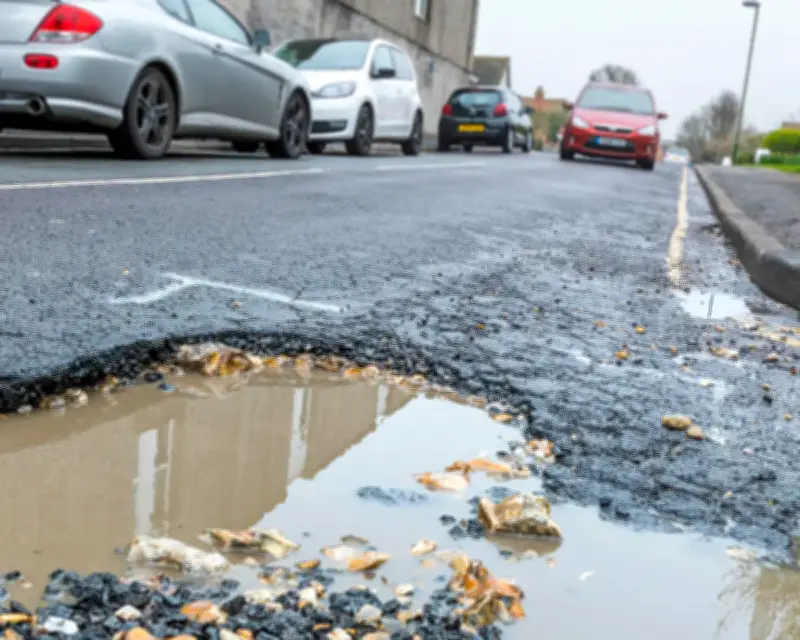
Derbyshire county council, run by Reform UK, has withdrawn all cooperation with Eddie Bisknell, a Derbyshire Live journalist publicly funded to cover local democracy, after rows over potholes and a viral story about a garden gate.
Stephen Reed, the Reform council's deputy leader, confirmed that Bisknell's inquiries would be ignored, saying the reporter would now have to work "twice as hard" to do his job. The decision follows a "prolonged period of concerns", which culminated in a story about potholes.
Pothole statistics dispute
Councillors had hoped to produce positive headlines with a press release stating that the number of potholes in the county had been slashed from 12,000 in April to less than 700 – a figure it described as the lowest recorded in over a year. However, an article by Bisknell, one of a group of local democracy reporters funded by the BBC, reported that questions had been raised about statistics used in the release.
The block on engaging with Bisknell emerged as the council took issue with another story about how a fence panel had been cemented across a gap in a wall between an 81-year-old woman's garden and a council car park. The work had been initiated by the previous Conservative-led administration.
Council denies outright ban
Reed said the decision to block the reporter had been made before the latest story about the fence appeared. He denied an outright ban had been imposed, saying Bisknell was still able to write about the council and attend public council events – a right enshrined in law. However, he confirmed the council would ignore his requests for information.
"I want to be very clear: non-engagement is not a ban," he said. "He can still write whatever he wants. What we've chosen to do as an administration and as a council is just not respond to his inquiries.
"We don't think it's fair to other good working reporters and journalists who actually hold us to account. We want to be scrutinised. We want people to challenge what we've done. We want to get good news stories out and we accept that we're going to have criticism, but it needs to be fair and balanced."
Press freedom concerns raised
Natalie Fahy, editor-in-chief for London and the east of England for Reach, which owns Derbyshire Live, said Reform's decision was plainly a ban. "We have covered some awful situations at many different councils over the years, and we don't always expect our relationships with councils to be cosy, but we do expect there to be an open dialogue," she said. "To say this isn't a ban is the worst kind of double speak and something we should all be on guard for, if you consider a free press essential to a functioning democracy."
Dawn Alford, chief executive of the Society of Editors, called for the decision to be reversed. "Refusing to engage with a journalist because you object to their reporting sets a dangerous precedent," she said. "A council cannot simply choose which reporters deserve answers. Transparency is a responsibility, not a favour."
Laura Davison, the NUJ's general secretary, called on the council to "get off its high horse and respect the democratic norms voters and local communities they represent expect". The case follows a neighbouring Reform council, Nottinghamshire county council, which last year ended its ban on the Nottingham Post and its website, Nottinghamshire Live, after being threatened with legal action.




