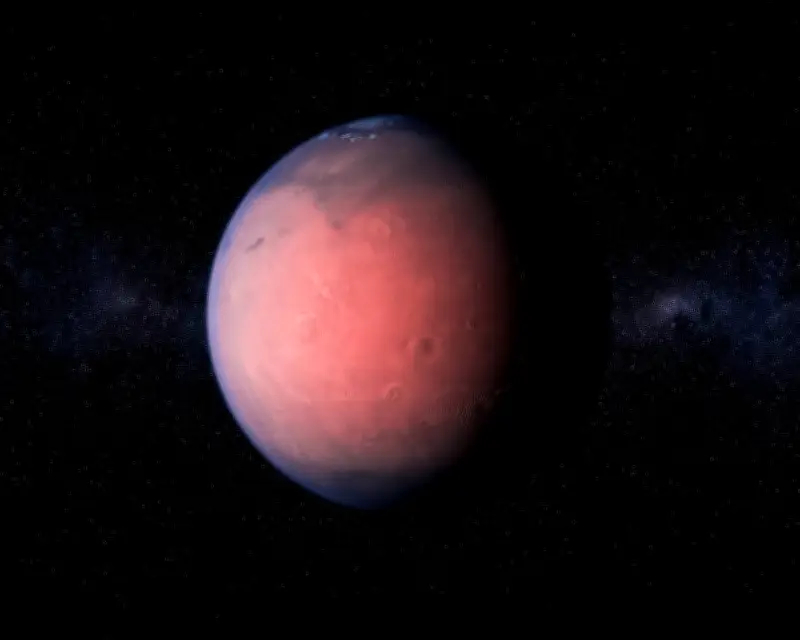
In a recent commentary, writer Jordan Prosser has lambasted the idea of human colonies on Mars, calling it a 'terrible place to die' and questioning the scientific and practical feasibility of such ventures.
The Dream of Mars Colonization
Prosser notes that space colonization has been a long-promised but undelivered technological advent, drawing parallels to hoverboards and teleportation. He recalls that even before Neil Armstrong walked on the moon, the US military envisioned a lunar outpost, but the cost proved prohibitive.
In 2012, Mars One, a private not-for-profit, declared plans to send astronauts on a one-way mission to Mars, funded by a reality TV show. Despite 200,000 expressions of interest and nearly 3,000 formal applications, the company filed for bankruptcy in 2019, leaving 100 finalists disappointed.
The Harsh Realities of Mars
Prosser highlights the extreme conditions on Mars, including year-round solar and cosmic radiation, temperatures as low as -153C, and global dust storms that can block the sun for months. He emphasizes that there is no scientific precedent for humans living indefinitely at 38% of Earth's gravity, let alone being permanently cut off from Earth.
He also points out the psychological toll, referencing Russian cosmonaut Valeri Polyakov's record of 437 days in space, and questions what happens to the human brain and body beyond that.
A Skeptical View
Prosser concludes that the only upsides to living on Mars are fewer work Christmas parties and a slightly longer view if the sun explodes. He compares Mars colonization to the metaverse, suggesting that those who want to pursue such ventures can do so, while he prefers to stay on Earth petting dogs and eating prawns.