
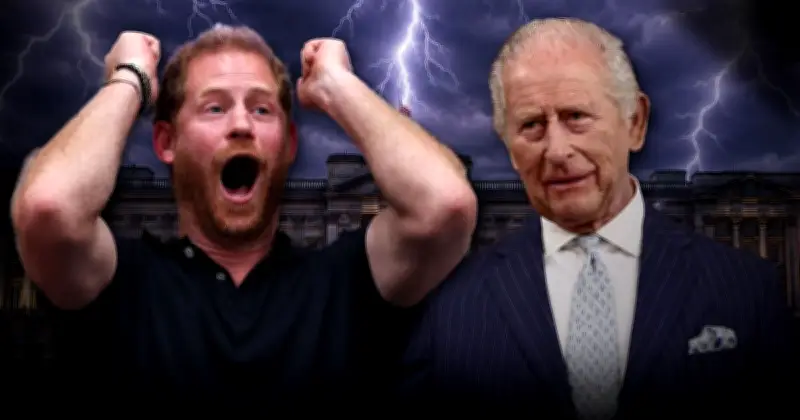
King Charles III has made his first major misstep by refusing Prince Harry access to Buckingham Palace during his UK visit, handing the Duke of Sussex a powerful victim card and risking a public relations disaster for the monarchy, according to royal commentators.
Historical Parallels and Public Sentiment
The decision echoes a historical blunder from 1265, when royal assassins mutilated rebel Simon de Montfort after the Battle of Evesham. Instead of crushing dissent, the brutality turned de Montfort into a martyr and folk hero, forcing the future King Edward I to adopt his Parliamentary reforms. Today, King Charles may win the battle against his estranged son but lose the war for public opinion.
New YouGov polling released Tuesday reveals that a sizeable 48% of Brits believe Harry should be allowed to stay at Buckingham Palace during his visit, while only 27% say he should be barred. Even after years of family drama, memoirs, and legal battles, the British public expects the King to show clemency, not act like an angry landlord.
Palace Justifications Fall Flat
The Palace claims deadlines were missed, making logistics too difficult, but the public is not buying it. Palace insiders complain about weariness over Harry's High Court battles, but by locking him out, they have handed him the victim card. All the public sees is a father slamming the door on his son.
Risk of Martyrdom
If the King and his team do not U-turn and act with more grace, they risk turning the Duke of Sussex into a modern-day martyr. As history shows, that would be a disaster for the Crown. The monarchy must balance firmness with statesmanship, or face lasting damage to its reputation.




