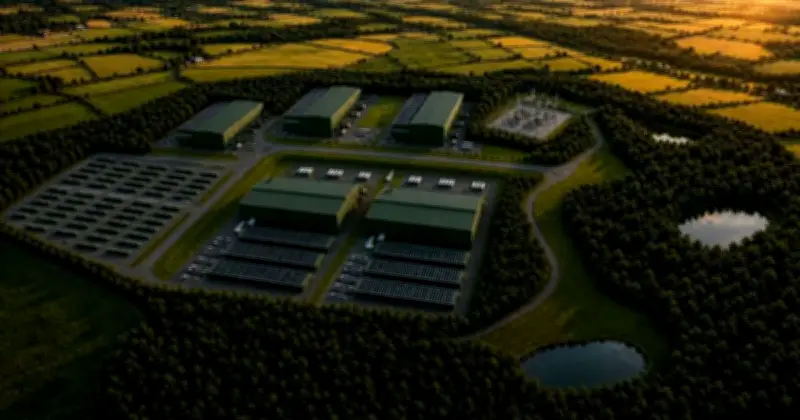
Britain's AI ambitions depend on a massive expansion of data centres, but communities are pushing back. The UK already has around 550 to 565 operational data centres, and projections show capacity needs to more than double from 1.6 gigawatts (GW) to roughly 3.3 GW to 6.3 GW by 2030.
Data centres use more than 14 million litres of water a day in the UK, and with seven areas of England officially in drought, there are fears over water security. Ofgem, the energy regulator, has also raised concerns about massive additional power demands on the National Grid.
Celebrities Join the Fight
Country music star Willie Nelson has urged US communities to "fight" plans for more server warehouses, including in Abbott, Texas, where he grew up. In an open letter, Nelson wrote: "Our community, like many others, needs to fight against data centres invading our land. The last thing we need is a loud, water-thieving, light polluting data centre anywhere near our town, or any others for that matter."
Nelson, co-founder of Farm Aid, added: "The strength of rural America has never come from big industrial footprints. It comes from generations of people, open spaces, local businesses and a connection to the land."
North Devon Backlash
In North Devon, campaigners are fighting plans to turn 850 acres of agricultural land into a vast data campus near Great Torrington. Xlinks, a green energy company, plans to build a data centre and battery storage site delivering up to 1.5GW of AI-optimised compute capacity, creating at least 650 new jobs and worth up to £3.6billion to the economy.
Fifth-generation farmer Cheryl Cottle-Hunkin told Farmers Guardian: "It would be larger than the nearby town of Great Torrington and would permanently alter the character of this rural landscape. Food security is national security, and losing good agricultural land on this scale should concern everyone."
Another farmer, Barbara Fryer, told The Telegraph: "There isn't the water for it. The water table has reduced already, and you've just got brown grass with less livestock on it. We're producing less food, and it's no good. It's really nice agricultural land, and this will wreck it."
Legal Challenges and Precedents
The fight against data centres is increasingly being waged in the courts. In April, campaign groups Foxglove and Global Action Plan won the UK's first legal challenge against a data centre, preventing a £1billion site in Iver, Buckinghamshire. The government conceded it had failed to ensure "mitigation measures" could be secured.
Tom Hegarty, spokesman for Foxglove, said the Woodlands case set a precedent that all future mitigation measures designed to waive the need for an Environmental Impact Assessment must be enforceable in law. He added: "New data centres should only be built if they don't cause harm to our climate or our critical supplies of drinking water – or jack up the price of power."
The legal precedent also stipulated that developers must demonstrate to the Secretary of State that any new data centre will not cause an increase in the UK's overall climate emissions nor an increase in national or regional water scarcity.
Grid and Energy Concerns
Ofgem said last week that 315 data centres are waiting to join the National Grid, collectively requiring 73GW of energy, far higher than the country's peak energy demand of 45GW. Critics insist AI cannot come at any cost, and the battle lines are drawn.