Climbing Organisation Condemns ABC Reporting on Cultural Heritage Bans
Climbing Victoria, the state's peak climbing body, has launched a stinging criticism of the Australian Broadcasting Corporation, accusing the national broadcaster of exacerbating tensions between rock climbers and local Indigenous communities through its coverage of controversial cultural heritage climbing bans.
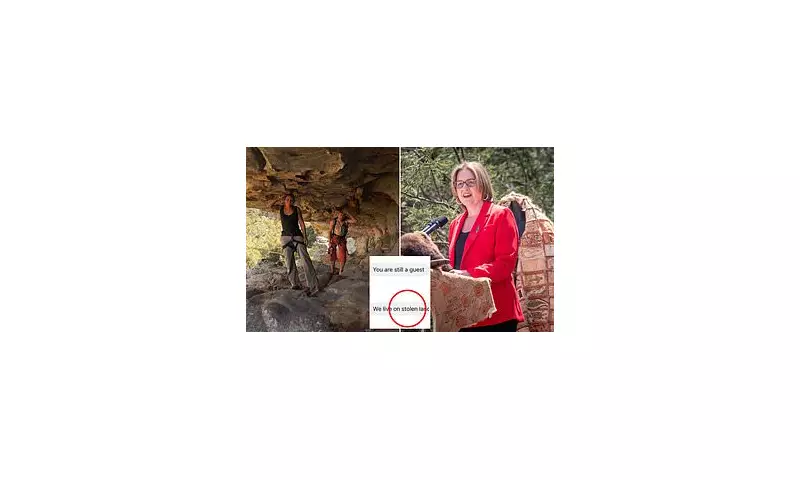
The organisation claims in a media release that recent ABC reporting fundamentally misrepresented climbers as being "disrespectful towards traditional owners" and inflamed racial divisions by focusing on a vocal minority threatening to ignore restrictions at Mount Arapiles in Victoria's west.
Volunteer Reveals Depth of Community Division
Melissa, a volunteer for Climbing Victoria, told the Daily Mail that the ABC had chosen to highlight social media posts from "a very few loud obnoxious people" while ignoring the majority of climbers who are behaving respectfully.
"The people who are respectful, patient and waiting and learning and trying their best to understand - those voices aren't being heard," Melissa stated, revealing that towns surrounding Mount Arapiles have become deeply fractured over Parks Victoria's handling of the climbing bans.
The volunteer described receiving personal threats and abuse, including messages accusing her of being "a coloniser" and "a racist." She detailed how the conflict has spilled into daily life, with people receiving anonymous letters, death threats, and even having coffee thrown in their faces in local towns.
Media Coverage Accused of Imbalance
Melissa argued that while media outlets have extensively covered racism towards traditional owners, they've largely ignored the breakdown of relationships and social dynamics within local communities and the harassment faced by climbers.
"Climbing groups in the nearby Grampians had received 'anonymous death threats' and have been 'harassed and bullied'," she revealed, emphasising that the harassment goes both ways but receives unequal media attention.
The ABC article that prompted the criticism, titled "Rock climbers' defiance grows over Mount Arapiles cultural site requests," focused on comments from a Facebook group where some users advocated ignoring the bans. Climbing Victoria contends the report failed to mention that most climbers have obeyed the restrictions since their introduction five years ago.
Economic Impact and Ongoing Consultations
The dispute centres around Parks Victoria's request that climbers avoid five specific areas within Mount Arapiles park, covering approximately 300 climbing routes designed to protect sites of Indigenous significance.
Local climbing guide Aaron Lowndes expressed serious concerns about the potential economic impact of more severe restrictions proposed in a draft plan released in November last year. The shelved plan would have excluded all off-track walking and prevented climbing across more than 60% of the 3,300 climbing routes at Mount Arapiles.
"We were like, oh my god, we're gonna shut down, right? We can't operate if this goes ahead," Lowndes told the Daily Mail, while acknowledging that while an "angry minority" exists, most climbers hope to work constructively with traditional owners.
Work on the Mount Arapiles management plan has now been paused while a Community Working Group seeks to create more diverse and inclusive opportunities for public access to Dyurrite, the Indigenous name for the area.
The situation at Mount Arapiles follows sweeping bans introduced at the Grampians in 2019, where nearly 80% of climbing routes remain restricted. Other states, including New South Wales, are now considering similar climbing bans for cultural heritage reasons.
Climbing Victoria, which represents more than 20,000 individual members, continues to advocate for its members while the ABC declined to comment when contacted by the Daily Mail.