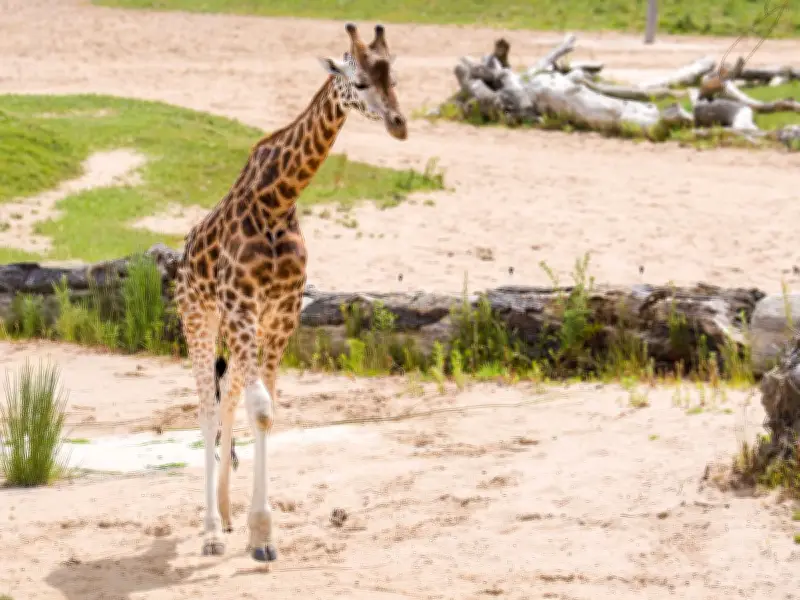
Chester Zoo has provided an update after the Met Office, government officials and the heads of 16 of the UK's biggest visitor attractions gathered for a weather summit. The event, held on Monday, July 13, followed Chester Zoo's warning in March that misleading rain icons on weather apps could be costing some attractions up to £137,000 in a single day. That call was backed by more than 80 attractions, including the Eden Project, RHS Gardens, Blackpool Pleasure Beach and Blenheim Palace.
Summit Outcomes and Practical Recommendations
Chief operating officer of Chester Zoo, Dom Strange, said: "The discussions were constructive and collaborative throughout, and we're grateful to the Met Office and BBC Weather for the positive way they engaged with the sector. Importantly, everyone wanted the Summit to be more than just a conversation. We developed a series of practical recommendations for both the Met Office as the UK’s leading weather provider, but for visitor attractions too. We’ll now take those forward together over the coming months."
Strange added: "We'll be saying more about those recommendations shortly, but the Summit showed that weather providers, visitor attractions and government all share the same goal: helping people make informed decisions and enjoy great days out. It is clear that many people rely heavily on headline weather symbols when making decisions – polling suggests that up to 40% only look at that top-line information – so there is a shared interest in ensuring forecasts communicate as much useful information as possible."
Impact of Misleading Weather Icons
Research from Chester Zoo and tourism consultancy Navigate, surveying UK visitor attractions, found that more than 60% experience a drop in visitors of over 40% following a poorly displayed weather forecast, with some reporting declines of more than 50%. The group argued that the problem isn't forecast accuracy, but how it's displayed, with a brief overnight shower sometimes shown as an all-day washout.
Attractions are proposing fixes, including splitting each day into shorter time slots – as used by Norwegian forecaster YR, which breaks a 24-hour period into four six-hour windows so a brief early morning shower doesn’t skew the picture for the rest of the day. Navigate’s survey found that more than 80% of attractions saw this kind of approach as a useful solution. Other suggestions include clearer written summaries and a "dry hours" indicator.
Widespread Support and Next Steps
Since the original call in March, support has spread well beyond the visitor attractions sector, with organisations including the National Association of British Market Authorities, the National Market Traders Federation and UK Events all adding their backing. This is a sign, organisers claim, of how widely weather-dependent trading affects the UK economy.
Olly Reed, marketing director at Navigate, said: "Our latest data shows this issue hasn't gone away, it's become more significant. In March we were talking about a 30% drop in visitors from a misleading rain icon. Today, some attractions are reporting losses of more than 50%. The difference now is that the people who can influence what happens next are in the room. That's the point where a campaign becomes change."
Summit Participants
Chaired by Visit Britain board member Nigel Wilkinson MBE, the summit brought together around 30 delegates including the Head of Domestic Tourism from the Department for Culture, Media and Sport (DCMS), senior Met Office figures including the Head of the Public Weather Service and the Head of Science, representatives from the Department for Science, Innovation and Technology, and CEOs and directors from 16 of the UK's leading visitor attractions, including Chester Zoo, Zoological Society of London, the Treasure Houses Group, Bletchley Park, and Go Ape.