
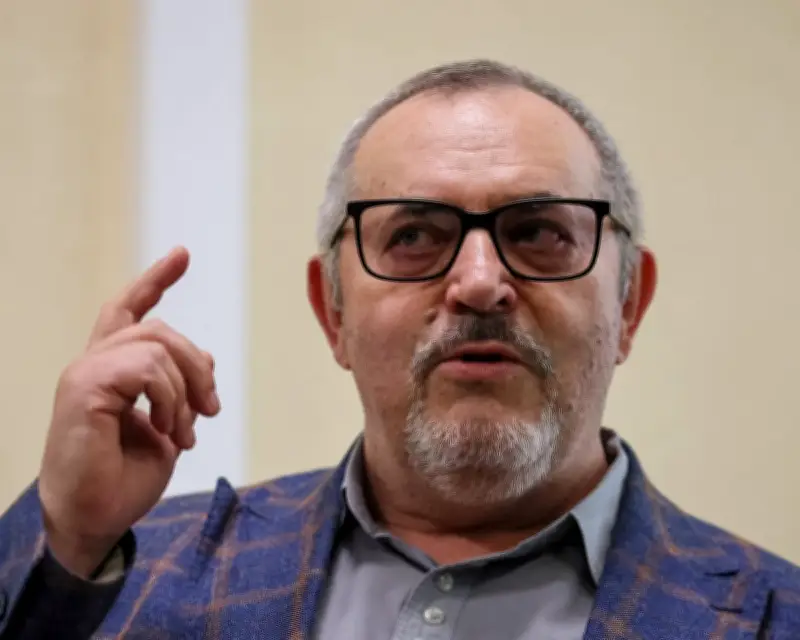
Boris Nadezhdin, the prominent Russian anti-war politician, has left Russia and is now in Paris, as Moscow intensifies its crackdown on dissent ahead of parliamentary elections later this year.
Nadezhdin's whereabouts confirmed
In a video filmed in front of the Eiffel Tower, Nadezhdin said: “Good news: I’m alive and free. Unfortunately, I’m not in Russia for the time being.” He added that he needed “to look around and figure out life going forward”.
Nadezhdin, 63, a veteran liberal politician, gained international attention during Russia’s 2024 presidential election when his long-shot campaign against Vladimir Putin unexpectedly gained momentum before electoral authorities barred him from running.
Pressure and legal hurdles
Since his presidential campaign, Nadezhdin has been one of the last well-known Russian public figures to openly oppose the war in Ukraine, making him an increasingly uncomfortable figure for the Kremlin.
Last month, less than three weeks after registering to run in September’s parliamentary elections, he was briefly detained and accused of a minor administrative violation, widely seen as an attempt to intimidate him and undermine his candidacy.
That same month, the justice ministry designated Nadezhdin a “foreign agent”, a label that carries onerous reporting requirements, increased government scrutiny, and a powerful stigma in Russia. The designation, combined with a conviction on an extremism-related administrative charge, barred him from running in September’s elections, which are widely expected to be tightly controlled by the Kremlin.
Context of crackdown
In an interview with the Russian independent outlet Meduza last month, Nadezhdin said he and his family were considering leaving Russia as pressure from the authorities intensified. While he said he wanted to remain in the country and run in the parliamentary elections, he acknowledged that the growing risk of imprisonment was becoming increasingly difficult to ignore.
Following the Kremlin’s full-scale invasion of Ukraine in 2022, Russian authorities launched an unprecedented crackdown on dissent, targeting independent media, human rights groups, civil society organisations and critics of the war. Hundreds have been imprisoned and thousands more have fled the country.
Putin’s ruling United Russia party is seeking to preserve its dominance in the lower house of parliament in September’s state-managed elections, in which no genuine opposition is allowed to take part. The vote comes amid signs of growing public fatigue with the war in Ukraine, as fuel shortages and mounting economic pressures weigh on Russians, leaving the Kremlin increasingly unwilling to tolerate even token opposition.




