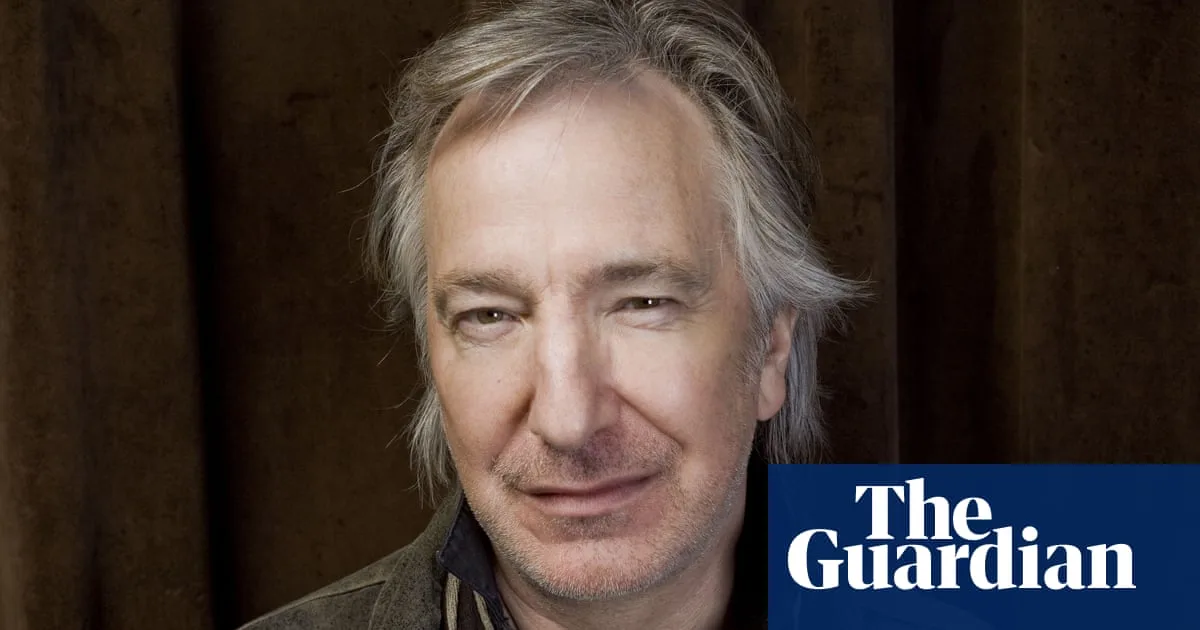
A decade after the passing of the iconic actor Alan Rickman, heartfelt personal stories have emerged, painting a vivid picture of the man behind the legendary voice. Friends and former colleagues have shared touching and sometimes humorous anecdotes, revealing his deep care, unexpected generosity, and the profound impact he had both on and off the stage.
Confronting the Audience: A Lesson in Theatre
One striking memory comes from David Joss Buckley, who worked with Rickman in repertory theatre. They performed in a schools' matinee of Gunslinger by Richard Crane in 1976, where Rickman played Sitting Bull. Dressed in full Native American regalia, he delivered a powerful, sombre closing speech in his unmistakable rich voice.
Unfortunately, a group of children in the audience talked and laughed throughout the performance. Visibly angered, Rickman, after taking the curtain call with the company, jumped off the stage and marched into the auditorium to confront them. The youngsters shrank back as the imposing figure loomed over them.
His ire, however, was quickly deflated by their explanation. "We never knew you could hear us, we've never been to the theatre before – we thought it was like the telly," they said. The incident became a poignant lesson for both the actor and the audience about the live, communal nature of theatrical performance.
The Voice That Emerged from the Darkness
Nicholas Woodeson recalls his first days at the Royal Academy of Dramatic Art (RADA). After a pub introduction where Rickman's partner, Rima, confidently stated he was going to be great, Woodeson witnessed the actor's early power during a student production of The Bacchae.
He remembers a blackout, and then a voice booming from the darkness: "I AM DIONYSUS, SON OF ZEUS. MY MOTHER WAS SEMELE..." When the lights came up, there stood Rickman on a chair, wearing tasteful eyeshadow – an image forever etched in Woodeson's memory as the moment the actor's formidable presence was unmistakably clear.
A Model of Friendship and Generosity
Beyond the stage, Rickman is remembered for his unwavering loyalty and kindness. Margaret Heffernan shared a story of being stranded in New York without her wallet or credit cards to see Rickman's production of My Name is Rachel Corrie.
Rickman came to her rescue with bemused laughter and fistfuls of cash, offering his characteristic generous hospitality. On another occasion, she found him in London having tea with his old secondary school drama teacher, a testament to his lasting gratitude and lack of pretension.
Harriet Monkhouse added a more ethereal tribute. Ten years ago, she dreamt of being in a theatre and being warmly welcomed to a seat by a couple; the man was Alan Rickman. She awoke to the news he had died. In her dream, as in life according to all tributes, he was lovely, making the unexpected imaginary farewell a treasured memory.
These collected letters, published around the tenth anniversary of his death on 14 January, confirm that Alan Rickman's legacy is defined not only by his iconic roles and voice but also by his profound humanity, quick wit, and the deep care he showed for friends, colleagues, and even bewildered schoolchildren.