
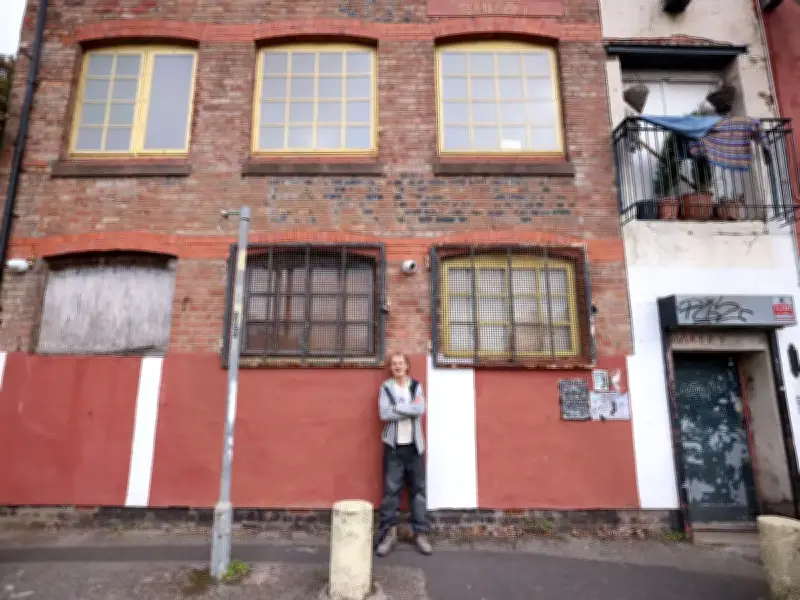
The Bakery, a community music venue in Kensington, Liverpool, is at risk of closure unless it secures a new premises licence from Liverpool City Council next week. The venue has been an integral part of the area for 15 years, hosting live music, film screenings, refugee support, and events for the FLINTA (Female, Lesbians, Intersex, Non-binary, Trans, and Agender) community.
From bicycle shop to cultural hub
Peter Gates, co-owner, bought an old warehouse unit on Marvin Street in 1985 and initially ran it as a bicycle repair shop. Over the past 15 years, the site has evolved into a multifunctional venue, operated by Peter and his partner Helen Johnson.
Peter told the ECHO: "[When we opened] we started to have charity events. It was a bit underground, if you like, we worked with Student Action on Refugees and they came in and did some great events and it snowballed from there."
Licence issues threaten operations
The venue currently operates using temporary event notices (TENs), which allow businesses to host activities typically reserved for gig and hospitality venues. A TEN is needed if a premises is selling alcohol, hosting entertainment, or selling refreshments between 11pm and 5am, and a business can use up to 15 TENs per calendar year.
Having run out of their yearly TENs, The Bakery can no longer sell alcohol, a significant revenue source that funds its non-commercial art, music, and performance events. Peter and Helen are now applying to the council for a premises licence, which would allow the venue to operate all year round and host cultural events regularly.
Community support and compliance efforts
In recent weeks, Peter and Helen have worked to ensure The Bakery meets necessary safety, fire, and sound regulations. Peter emphasised the venue's role for emerging artists: "For a lot of young musicians and performers, this is the first place that ever gave them a stage. If you take away small independent spaces, where does the next generation start?"
He added: "We don't charge artists to use the space. We give them a room, sound equipment, an audience, and a place to experiment without the pressure of a commercial venue. We feel that we are part of the community. It's well known, it's very popular among local residents. We see ourselves as an autonomous organisation that works as part of the community."




