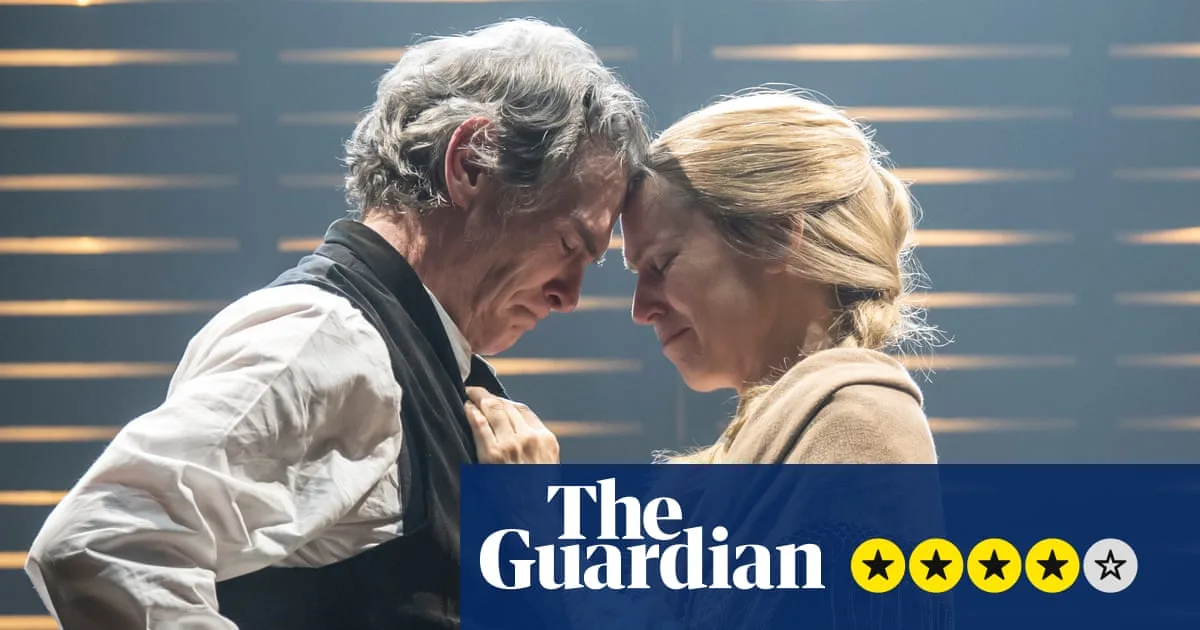
The Harold Pinter theatre in London hosts a new stage adaptation of the classic western High Noon, starring Billy Crudup and Denise Gough. Directed by Thea Sharrock with a script by Eric Roth, the production incorporates songs by Bruce Springsteen, transforming the film into a debate play that resonates with contemporary political issues.
The story follows Marshal Will Kane (Crudup), who is abandoned by his community as he prepares to face Frank Miller (James Doherty) and his henchmen. Originally an allegory of McCarthyism, the 1952 film's critique of collective inaction finds new relevance in the era of Trump's America, with the script fleshing out ethical debates around civic responsibility and misguided myths.
Crudup steps into the iconic role made famous by Gary Cooper, portraying Kane as an earnest, desperate man, while Gough brings a modern grit to Amy Fowler, the Quaker wife. Supporting roles, including Billy Howle's deputy and Rosa Salazar's businesswoman, feel underdeveloped, though the women are given more voice than in the original film.
The songs, including Land of Hope and Dreams and The Rising, are performed a cappella by Gough, whose strong voice conveys desolation, though some numbers feel repetitive. Neil Austin's lighting and Tim Hatley's set, featuring a prominent clock counting down to the noon train, heighten tension, despite the difficulty of staging a cross-town shootout.
While the production starts stiffly, it gains momentum, building to a thrilling showdown. Ultimately, the political message—drawing parallels between McCarthyist fear and current Trumpian terror—speaks loudest, making this a timely revival.