Cartoonist Imagines Quixotic Rescue of World Cup
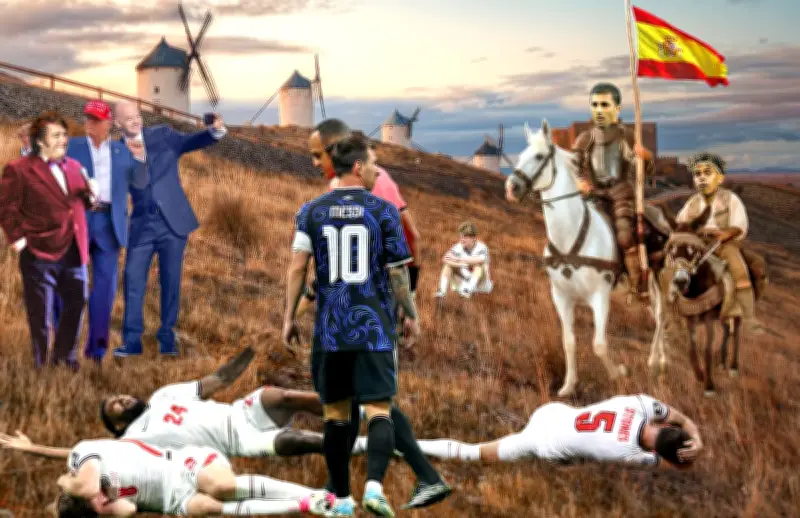
Cold War Steve, the satirical artist known for his surreal collages, has turned his lens on football's premier tournament. In a new artwork titled "Don Quixote and Sancho Panza Coming to Save the World Cup," he imagines the literary duo as unlikely saviours of the event from what he sees as rampant corruption and commercial excess.
The piece, published on 18 July 2026, features the knight-errant and his squire charging against a backdrop of FIFA officials, sponsors, and modern football paraphernalia. According to Cold War Steve, the cartoon is a commentary on the loss of the sport's soul to money and power, with Quixote representing a nostalgic, idealistic fight against these forces.
Symbolism and Satire in the Artwork
The cartoon includes recognizable figures from football administration and corporate logos, blending them into a chaotic landscape. Sancho Panza is depicted holding a net, perhaps symbolizing the attempt to catch the elusive spirit of the game. Cold War Steve stated: "It's about the absurdity of trying to save something that's already been sold off piece by piece. But there's still a glimmer of hope."
The artist's work often critiques contemporary society, and this piece continues that trend, focusing on the World Cup as a microcosm of global issues. The use of Don Quixote, a character who tilts at windmills, underscores the perceived futility of the struggle against entrenched interests.
Reception and Context
The cartoon has been shared widely on social media, with fans praising its biting wit. It arrives amid ongoing debates about the World Cup's expansion and hosting rights. Cold War Steve's previous works have tackled Brexit, climate change, and political scandals, making this football-themed piece a natural extension of his portfolio.
While some critics argue the satire is too bleak, others see it as a necessary wake-up call. As one fan commented: "It's exactly how many of us feel about the modern game." The artwork serves as a visual essay on the tension between football's grassroots origins and its current corporate reality.