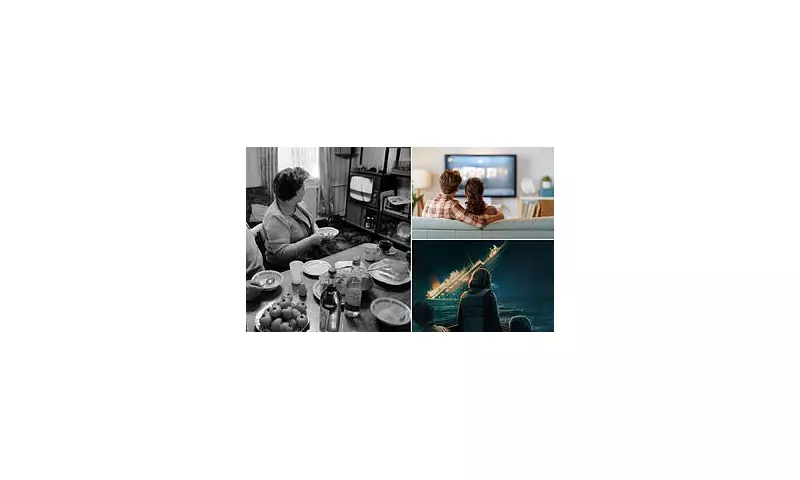
A personal television retuning disaster has led one viewer to a stark realisation about the seismic shift in British broadcasting. After a failed retune left their smart TV without staple channels like BBC1, ITV1, or Channel 4, they discovered the absence didn't matter. This experience mirrors a national trend, underscored by new figures showing YouTube is now watched by more people in the UK than the BBC.
The Tipping Point for Terrestrial Television
According to the independent ratings body Barb, the video-sharing platform reached 51.9 million people in December 2023, surpassing the BBC's 50.9 million. YouTube also outperformed the national broadcaster in October and November. Veteran TV producer Steven D Wright labelled this a 'tragedy', telling The Times: "The tipping point is here and we are now living in a world dominated by streamers."
For many, the rigid schedule of terrestrial TV is a relic. The days of planning an evening around a 9pm David Attenborough documentary are fading. Instead, viewers are embracing the empowerment of on-demand services like BBC iPlayer, watching acclaimed series such as police drama Blue Lights or the documentary Titanic Sinks Tonight entirely at their leisure.

The Anomaly of the Compulsory Licence Fee
This shift creates a profound anomaly for the BBC's funding model. The corporation has successfully become a streaming giant, competing directly with Netflix, Amazon Prime, and Disney+. Yet, while consumers can subscribe and unsubscribe from these rivals at will, subscription to the BBC via the TV licence remains mandatory. Withholding the £159 fee is a criminal offence.
This system is increasingly questioned as audiences treat BBC content identically to its commercial competitors. The author argues it is akin to being forced to pay BP for fuel regardless of which petrol station you use. While the BBC highlights unique offerings like news, sports, and regional programming, viewers now have countless alternatives, and trust in its balance is not universal.
YouTube's Rise and the 'Narrowcasting' Revolution
YouTube's victory is not just about cat videos. It has evolved into a vast, free repository of knowledge and niche entertainment—a form of "narrowcasting" catering to audiences too small for traditional broadcasters. Whether learning a guitar solo, renovating a bathroom, or watching a 1959 interview with philosopher Bertrand Russell, the platform serves as an ultimate on-demand resource.
This democratisation of content means the market, not a scheduler, decides what succeeds. The BBC, however, "considers itself above the market," funded by a universal levy. As the data shows, millions are already voting with their feet, exploring free platforms like YouTube while still legally required to fund a service they are abandoning.
The conclusion is inescapable: the broadcasting landscape has irrevocably changed. Terrestrial TV's dominance is over, and the licence fee that supports its biggest player has never looked more vulnerable. The question for policymakers is how long a compulsory tax for a non-compulsory service can survive in a streaming world.