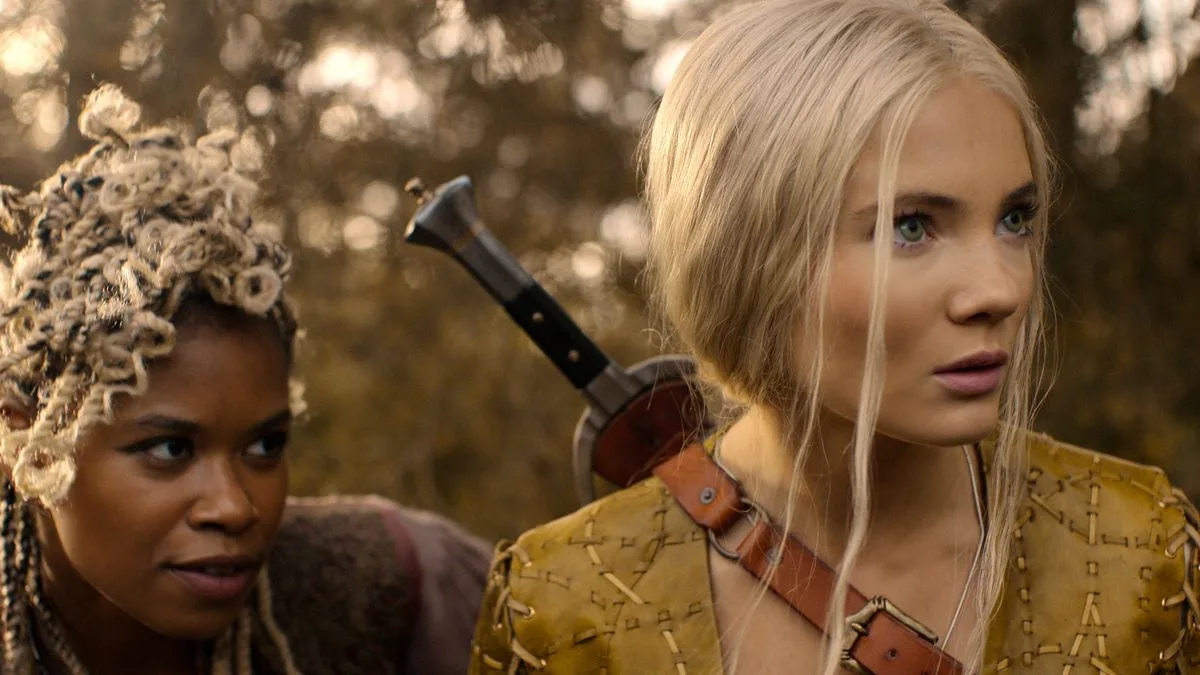
The fourth season of Netflix's The Witcher has sparked renewed debate about Ciri's sexuality, as the character embarks on a romantic relationship with Mistle, a member of the outlaw gang The Rats. Fans have long questioned whether the show's portrayal aligns with Andrzej Sapkowski's original novels.
In the books, Ciri's sexuality is ambiguous. She shows attraction to male characters while also entering a relationship with Mistle, leading many fans to argue she is bisexual. Sapkowski has stated he always intended for the characters to fall for each other, but noted that some translations tried to alter the gender of characters because 'lesbian elements were considered extremely dirty'.
The author has also hinted that his writing of female characters aimed to subvert fantasy stereotypes, where women are often scantily clad and used for 'giving rest to the warrior'. Some fans believe Sapkowski employed a bait-and-switch technique, leading readers to expect a princess to be romanced by a knight, only to have her enter a same-sex relationship with a criminal.

No definitive answer about Ciri's sexuality has been given by Sapkowski, who seems to treat it as fluid and open to interpretation. One fan theory suggests Ciri avoids heterosexual relationships due to a fear of fulfilling Ithlinne's prophecy, which states her child would signal the end of the world.
The relationship between Ciri and Mistle in the books begins non-consensually, with Mistle preventing another Rat from assaulting Ciri. Ciri initially agrees to be with Mistle out of fear of being alone. Over time, the relationship becomes more mutual, and before leaving The Rats, Ciri gets a tattoo in tribute to Mistle and promises to return. The Netflix series presents a more romantic version of their relationship.