The Pitt Review – Frenetic Medical Drama Finally Reaches British Shores
After sweeping last year's Emmy Awards and building a formidable reputation across the Atlantic, the critically acclaimed medical drama The Pitt has finally arrived in the United Kingdom. The series launches this week on HBO Max, the new streaming service from the channel behind iconic shows like The Sopranos, Sex and the City, and Game of Thrones, nearly six years after its initial American debut.
A Hospital Drama with Breakneck Pace and Social Commentary
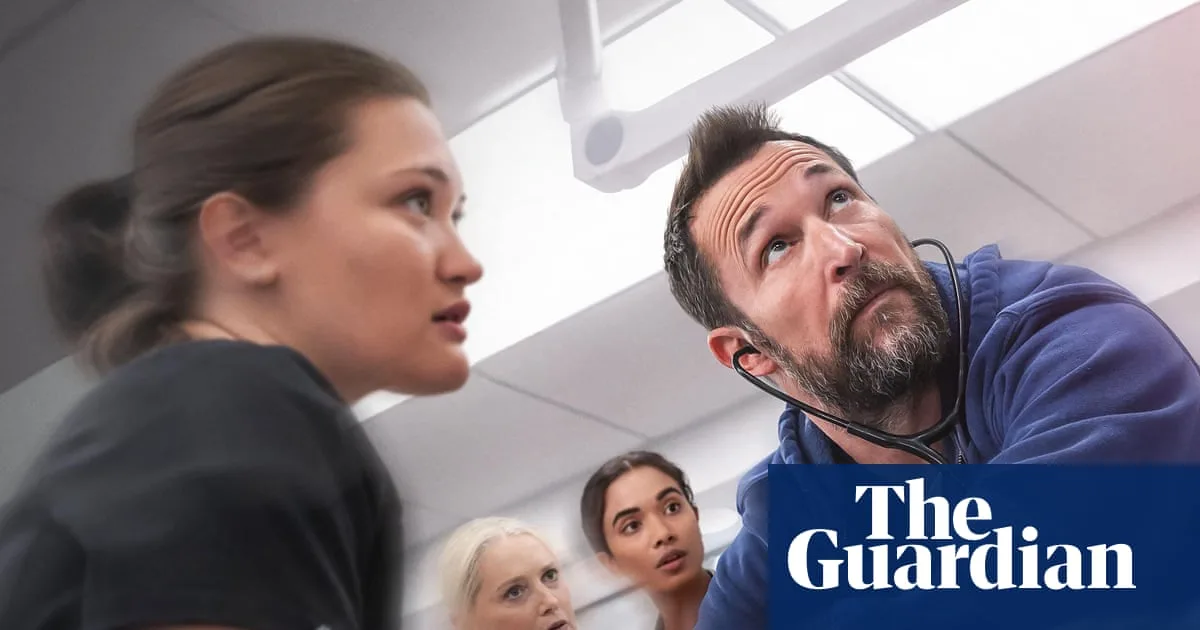
Each season of The Pitt meticulously documents a single, high-stakes day within the emergency department of a Pittsburgh, Pennsylvania hospital. The narrative unfolds in frenetic real time, reminiscent of the tension in Kiefer Sutherland's thriller 24, creating an immersive and relentless viewing experience. The emergency room is helmed by the charismatic Dr. Michael Rabinovitch, universally known as Dr. Robby, portrayed with immense likability by Noah Wyle.
The ensemble cast features a compelling group of medical professionals navigating the chaos:
- Wry charge nurse Dana, played by Katherine LaNasa
- Smarmy resident Langdon, portrayed by Patrick Ball
- Cocky intern Santos, brought to life by Isa Briones
- Brittle medical student Javadi, played by Shabana Azeez
Beyond the medical emergencies, the series boldly tackles some of America's most pressing social issues, including sex trafficking, online misogyny, racial inequality within healthcare systems, and neurodivergence. This narrative approach prompts a central, lingering anxiety: is this merely a snapshot of life in an overcrowded and underfunded hospital, or are viewers witnessing an extraordinary twenty-four hours at the bloody forefront of American medicine?
Season Two Dynamics and Unrelenting Realism
The second season, which has just concluded in the United States, picks up in apparent peace following the mass shooting that concluded the inaugural chapter. However, tranquility is short-lived in the Pitt. Dr. Robby is preparing for a sabbatical to bike across the country, leading to the introduction of his strict, tech-savvy replacement, Dr. Al-Hashimi, portrayed by Sepideh Moafi. This creates an immediate tension between old-school medical instinct and new technological protocols.
As this dynamic plays out, the ER is inundated with a relentless stream of patients presenting bizarre and critical cases:
- A woman who has superglued her eye shut
- An alcoholic suffering from a severe tooth abscess
- A student tasered by campus security
- A bloodied parkour runner
- An abandoned infant
The series, created by R. Scott Gemmill, a veteran writer from Michael Crichton's long-running drama ER, has been widely praised for its unflinching realism and kinetic directing style. It is paced with the intense energy of shows like The Bear or Boiling Point, with cameras and characters darting between stations in a meticulously choreographed ballet of crisis management.
A Grounded Yet Occasionally Flawed Prescription
While the medical community often debates realism in medical dramas, The Pitt does not shy away from graphic sensationalism or medical mystery, using it to inject a necessary dose of dark humour into an otherwise grim setting. This approach helps maintain viewer engagement without muting the show's impactful commentary.
However, the series is not without its flaws. It thrives in a transitional period for prestige television, following the conclusions of giants like Succession and Better Call Saul. While Noah Wyle elevates a potentially clichéd maverick role and Katherine LaNasa delivers a standout, tender performance, some narrative threads feel less organic. Interesting political commentaries on insurance and immigration enforcement agents work well, but other social issue dialogues can occasionally lapse into feeling like public service announcements rather than integrated drama.
Despite these occasional contrivances, The Pitt excels within its self-imposed constraints. The world of the emergency room never feels small, and the characters remain fully fleshed out. In an environment of life-and-death stakes where hysteria could easily prevail, the series largely remains grounded, delivering a powerful, day-to-day portrayal of frontline medicine. It is a compelling, well-crafted addition to the medical drama genre, finally available for British audiences to experience.