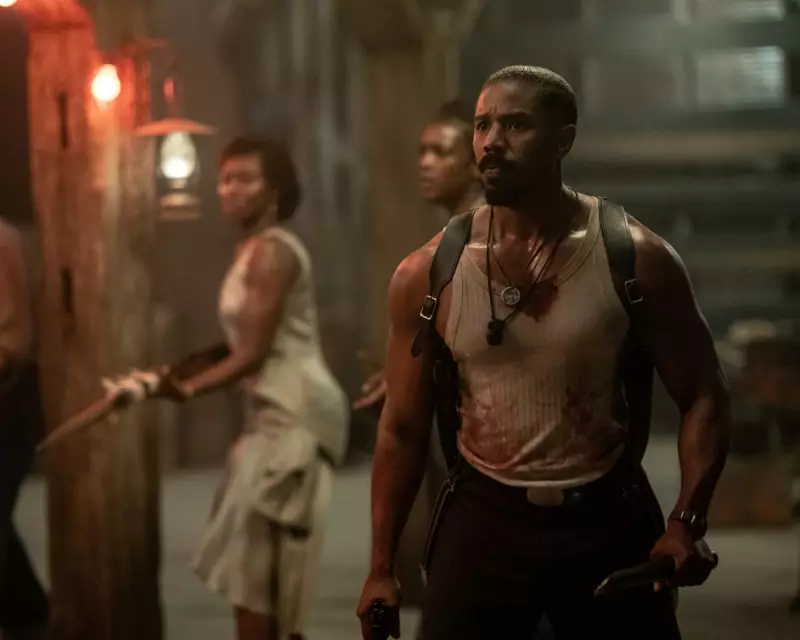
Sinners Makes Oscar History with Record-Breaking 16 Nominations
In a stunning development that has sent shockwaves through Hollywood, Ryan Coogler's genre-defying vampire thriller Sinners has achieved what no film has managed in 97 years of Academy Awards history. The powerful drama about racism, music and the black experience has secured an unprecedented 16 Oscar nominations, completely upending expectations for this year's awards season.
Awards Season Assumptions Overturned
The film industry had been preparing for what many considered inevitable victories for several critically acclaimed productions. Chloé Zhao's emotional period drama Hamnet, Paul Thomas Anderson's counterculture epic One Battle After Another, and Guillermo del Toro's lavish Frankenstein adaptation were all widely tipped for major recognition. Josh Safdie's wildly inventive comedy Marty Supreme had also generated significant buzz among awards prognosticators.
However, Sinners has delivered what can only be described as a spectacular upset, sweeping aside these established favourites with its bold narrative and striking visual style. The film's extraordinary nomination haul represents the highest total for any production since the Academy Awards began nearly a century ago.

A Violent, High-Energy Fantasia
Described by critics as "a violent, high-energy fantasia", Coogler's latest work explores complex themes of racism and cultural appropriation through the lens of supernatural horror. The film features a standout performance from Michael B Jordan as the lead character navigating a world where the blues music created by black artists becomes consumed by those who would oppress them.
One particularly resonant line from the film, delivered by nominated actor Delroy Lindo, captures its central theme: "White folks like the blues just fine, just not the people who make it." This sharp commentary on cultural appropriation has resonated strongly with audiences and Academy voters alike.
Other Major Contenders in the Race
While Sinners dominates the conversation, several other films have secured impressive nomination totals. Paul Thomas Anderson's One Battle After Another follows with 13 nominations, including recognition in both the Best Picture and Best Director categories. The film represents what many consider a "bacchanal of strangeness" and showcases Anderson's distinctive filmmaking style across its 162-minute runtime.
Further down the list, Marty Supreme, Sentimental Value, and Frankenstein have each earned nine nominations. Chloé Zhao's Hamnet, while still securing eight nominations, appears to have lost some momentum to the surging Sinners, though Jessie Buckley remains a strong contender for Best Actress.
A Personal Perspective on Coogler's Evolution
While some critics might prefer Coogler's earlier works like the groundbreaking Black Panther, the emotionally charged Creed, or the socially conscious Fruitvale Station, there's no denying the structural ambition of Sinners. The film deliberately subverts genre expectations, beginning as what appears to be a conventional realist drama before transforming into something entirely more ambitious and unconventional.
This willingness to challenge cinematic conventions may prove to be the film's greatest strength as awards season progresses. With its record-breaking nomination count and powerful cultural commentary, Sinners has positioned itself as the undeniable story of this year's Oscars, potentially signalling a shift in what types of films receive recognition from the Academy.
The Road to Oscar Night
As the film industry prepares for the ceremony itself, all eyes will be on whether Sinners can convert its historic nomination total into multiple victories. The film's success represents not just a personal triumph for Ryan Coogler and Michael B Jordan, but potentially a broader shift in Academy voting patterns toward more daring, genre-defying works that tackle important social issues.

Whatever the final outcome on awards night, Sinners has already secured its place in Oscar history, demonstrating that sometimes the most powerful statements come from the most unexpected places in cinema.