The Gang's Back Together: Sesame Street Returns to British Screens
After a 23-year absence that left generations of British children missing out, Sesame Street has finally returned to UK screens through Netflix. The iconic educational programme, which last aired regularly in Britain in September 2001, now reaches a new generation of preschoolers through the streaming giant's global platform.
For many British adults, this news brings waves of nostalgia. Those raised on the show during its original broadcast years developed distinctive traits – from knowing every word of the Pointer Sisters' pinball counting song to stubbornly using the American pronunciation "zee" for the final letter of the alphabet, much to their teachers' frustration.
A Troubled History in British Broadcasting
Sesame Street's relationship with British television has always been complicated. When the show first launched, the BBC refused to air it, with then-head of children's broadcasting Monica Sims calling it "didactic" and even "dangerous indoctrination." Instead, the programme found intermittent homes on regional ITV franchises until Channel 4 picked it up in 1987.
Channel 4 maintained the show for 14 years before controversially replacing it with The Hoobs in September 2001. Since then, British audiences have only encountered Sesame Street characters through spin-offs like the BBC's CBeebies show Furchester Hotel.
Surviving Decades of Challenges
The journey to this Netflix rescue hasn't been smooth. Sesame Street has faced numerous threats throughout its 55-year history, often teetering on the brink of extinction due to financial and ideological battles.
In 1970, the show's depiction of a racially integrated America prompted the all-white Mississippi State Commission for Educational Television to ban it, though public outcry reversed this decision within three weeks. Financially, the programme struggled after Reagan administration budget cuts in 1981 ended federal underwriting, forcing producers to accept commercial partnerships that drew criticism from purists.
More recently, a 2015 deal with HBO that placed new episodes behind a paywall before their PBS airing provoked controversy, as did this year's dual crisis of its lapsed Warner Bros deal and Donald Trump's executive order blocking federal funding for PBS.
Netflix: The Perfect New Home?
The streaming service appears to be an ideal solution for Sesame Street's latest chapter. Under the two-year deal, Netflix's 300 million global subscribers can access the show without advertisements, while it continues to air on PBS in the United States.
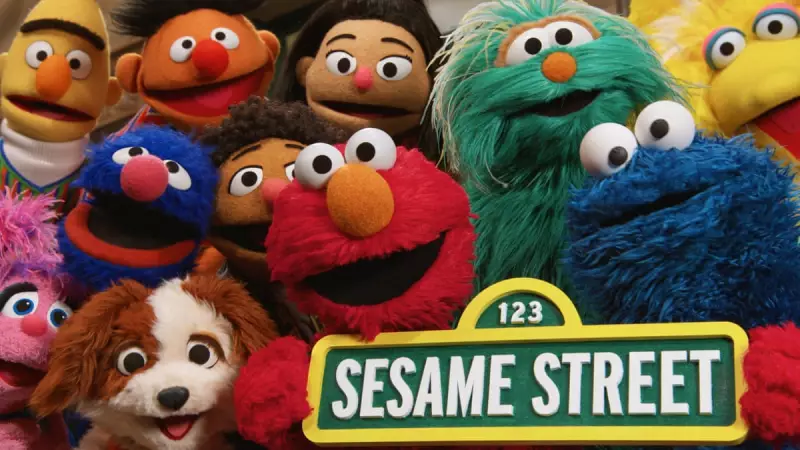
The new episodes feature all the classic elements that made the programme revolutionary – early phonics and mathematics lessons woven into colourful sketches, from two-headed monsters teaching sharing to Count von Count's numerical enthusiasm. Environmental updates include Oscar the Grouch's trash can now being accompanied by a recycling bin.
This partnership could represent the second coming that Sesame Street deserves, bringing its unique blend of education and entertainment, sunny humanist outlook, and lessons about everything from patience to coping with difficult emotions to children worldwide.
While concerns about tech giants and legacy brands remain valid, Sesame Street's seven-decade history of overcoming obstacles suggests this resilient programme will continue teaching millions about friendship, cooperation, and optimism. For now, British families can celebrate: Sesame Street is back where it belongs.