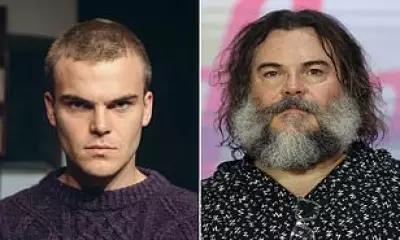
Nick Ede, once famously dubbed the 'Simon Cowell of Style' during his tenure as a judge on the hit Sky reality series Project Catwalk, has voiced profound unease as Netflix's new documentary series, Reality Check, revisits the chaotic landscape of noughties reality television. Having experienced the industry from the inside, Ede now recognises the troubling patterns that defined an era where shock value and ratings often trumped human welfare.
The Noughties: A Different Planet for Reality TV
Ede describes the 2000s as a vastly different cultural period, predating the rise of social media platforms like Instagram and TikTok, and lacking the structured duty of care that is more commonplace today. Television at the time was engineered for maximum impact, with shows such as America's Next Top Model, The X Factor, and There's Something about Miriam dominating pop culture. The primary objective was to captivate audiences and drive ratings, often at the expense of contestants' well-being.
The Role of the Judge: Sharp and Bitchy
As a judge, Ede's role was to be sharp, opinionated, and occasionally biting, delivering perfectly timed one-liners that could slice through a contestant's aspirations. He reflects that in today's digital age, such comments would be instantly clipped, memed, and circulated as GIFs, but back then, they existed primarily on television and in tabloids. The industry often justified this approach as harmless entertainment or a way to toughen up aspiring stars for the harsh realities of the entertainment world.

The Stark Absence of Duty of Care
However, Ede reveals a sobering truth: there was virtually no duty of care in place during that era. Contestants, frequently young, ambitious, and desperate for validation, had no access to welfare producers, on-set psychologists, or meaningful aftercare once filming concluded. The format actively encouraged cruelty masquerading as mentorship, where tears and emotional unraveling were framed as compelling drama to boost viewership.
Watching archival footage now, including the judging styles of figures like Tyra Banks on America's Next Top Model, Ede is struck by the pervasive lack of accountability across the industry. It was a time when public humiliation was normalised as entertainment, and contestants often returned home not merely disappointed, but publicly ridiculed, with lasting impacts on their mental health.
The Danger of Nostalgic Repackaging
What deeply unsettles Ede is seeing this era repackaged in modern documentaries without fully acknowledging the emotional toll it exacted. He warns against treating it as mere kitsch nostalgia, emphasising that behind the iconic moments were real people whose lives and mental well-being were profoundly affected.
The Evolution of Reality TV Today
In contrast, contemporary reality television has evolved significantly. Ede points to shows like Britain's Got Talent, where judging panels are more celebratory, and criticism is often softened with encouragement. The golden buzzer moment, for instance, fosters collective joy rather than conflict.
Even programmes with designated 'villains,' such as Craig Revel Horwood on Strictly Come Dancing, employ camp, theatrical elements that feel more like pantomime than genuine cruelty. The key distinction, Ede notes, is that today's drama is heightened for fun, whereas in the noughties, it was engineered for maximum emotional impact, with tears and conflict serving as currency for sensational ratings.
Modern Awareness and Safeguarding Measures
The Netflix series forces viewers to re-examine the past through a modern lens, where mental health, online abuse, and long-term trauma are better understood. Reality TV now incorporates safeguarding teams, psychological assessments, and welfare checks, as seen in shows like The Traitors. While not perfect, these measures acknowledge contestants as human beings, not merely story arcs.
Ede observes that the appetite for reality television remains strong, with new formats like Jonathan Ross's Last Pair Standing on Channel Four continually emerging. However, the narrative shift is clear: the industry is moving towards greater empathy and responsibility.

A Personal Reflection and Regret
Ede concludes with a personal reflection, admitting that he once took pride in the 'Simon Cowell of Style' moniker. Now, he sees it as a label that cast him as a villain and soundbite generator, contributing to great television but not always to the best interests of the contestants standing before him. The noughties may have delivered iconic television, but they also normalised humiliation as entertainment, a legacy that Ede hopes will be remembered with caution and compassion.