Marty Supreme: A Cinematic Triumph for the Best Picture Oscar
First and foremost, the best picture Oscar should unequivocally be awarded to Marty Supreme for its remarkable achievement in revitalising interest in ping pong. This sport, often overlooked and reliant on subsidies, has been single-handedly rejuvenated by the film, ensuring that wiff waff remains in the public consciousness despite its declining popularity. The movie's impact on this unsung activity is nothing short of extraordinary, deserving of high praise and recognition.
A Personal Viewing Experience and Broader Cinematic Merit
On a personal note, I watched Marty Supreme on its release day, which coincided with a significant birthday, leading to a less than steady viewing experience. My memories of the middle section, spanning from the bath collapse to the flight to Japan, are hazy, and my initial impression was one of finding the film inconsequential and somewhat amoral. This prompted a resolve to forget the lyrics to tracks like 4 Raws Remix, with its operatic themes. However, these personal shortcomings should not detract from the film's undeniable artistic value and its compelling case for Oscar glory.
When evaluating cinema purely on its artistic merits, rather than marketing or merchandise, director Josh Safdie has crafted a movie that encapsulates the essence of the world in 2026. Despite its 1950s setting, Marty Supreme could only have been produced in the present era, reflecting contemporary anxieties, disconnection, and an obsession with nostalgia. If the goal is to celebrate art that mirrors our lived reality, this film stands out as a prime candidate.

Characterisation and Modern Parallels
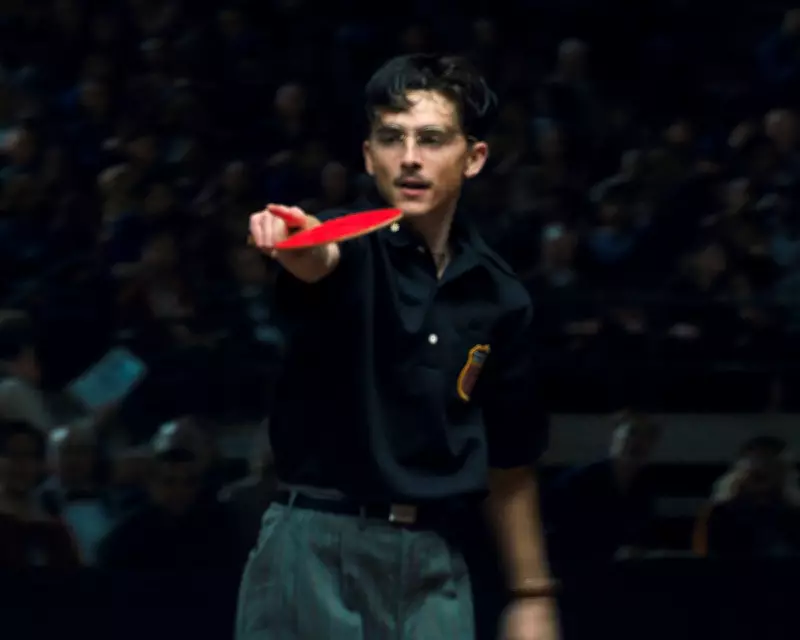
At the heart of the film is Marty Mauser, portrayed by Timothée Chalamet, a character brimming with what Variety's Peter Debruge aptly describes as "unearned self-confidence." Mauser views the world solely through the lens of his own desires, professing a deep passion for table tennis yet rarely focusing on it. Instead, he flits from one fleeting gratification to another, pursuing his appetites without considering their impact on others. This portrayal echoes the behaviour of certain contemporary public figures, such as the current president of the United States, but also resonates with broader societal trends, particularly in online interactions where self-centredness prevails.
Pacing, Aesthetics, and Cultural Commentary
The film's rapid pacing and jolting narrative moves create an antic sense reminiscent of classic Hollywood screwball comedies like It Happened One Night or Sullivan's Travels. Yet, it is faster and more brittle, with each action delivering a cortisol-induced thud that evokes a sense of impending cardiac arrest. This intense, unsettling feeling, perfected by Safdie in earlier works like Good Time and Uncut Gems, mirrors the stress and chaos of modern life for many viewers.
Aesthetically, the recreated 1950s New York—and by extension, London—appears familiar with its sharp suits and dive bars, but Safdie subverts this through casting non-actors and individuals with unconventional Hollywood physiognomies. This transforms the familiar into a disquieting echo, enhanced by cinematographer Darius Khondji's use of intense closeups to disrupt and disturb. The film's nostalgia is laced with nightmarish undertones, a reflection of our contemporary culture's immersion in such themes.
Anachronisms and Historical Imposition
Marty Supreme incorporates anachronistic elements that feel thoroughly modern, such as Tears for Fears songs as a musical backdrop or scenes like Mauser and Tyler Okonma's Wally ghost-riding the whip. These cultural impositions on the historical drama blend the past with the present, creating a unique narrative punch. In a Guardian interview, Safdie linked postwar America, the 1980s, and today as stages in the receding American dream, with Marty embodying this shift from traditional heroes like Holden Caulfield to modern influencers like Mr Beast or Timothée Chalamet himself.

The Ambiguous Finale and Cinematic Impact
The film's disjuncture culminates in its final moment, where Marty returns from Japan to see his newborn son, though not the mother he neglected. As he presses his face against the glass, a tear forms, leaving viewers to ponder whether this signifies redemption or merely another dopamine hit. While tradition might suggest the former, the film convincingly leans toward the latter, evoking a discomforting but powerful emotional response. This ability to provoke such feelings is, as Chalamet might argue, the essence of true cinema.
In summary, Marty Supreme is a cinematic tour de force that deserves the best picture Oscar for its innovative reflection of modern life, its revival of ping pong, and its masterful blend of past and present anxieties. It is a film that challenges, disturbs, and ultimately captivates, making it a standout in contemporary art.