MAFS Safety Debate: Can Reality Show Ever Be Risk-Free?

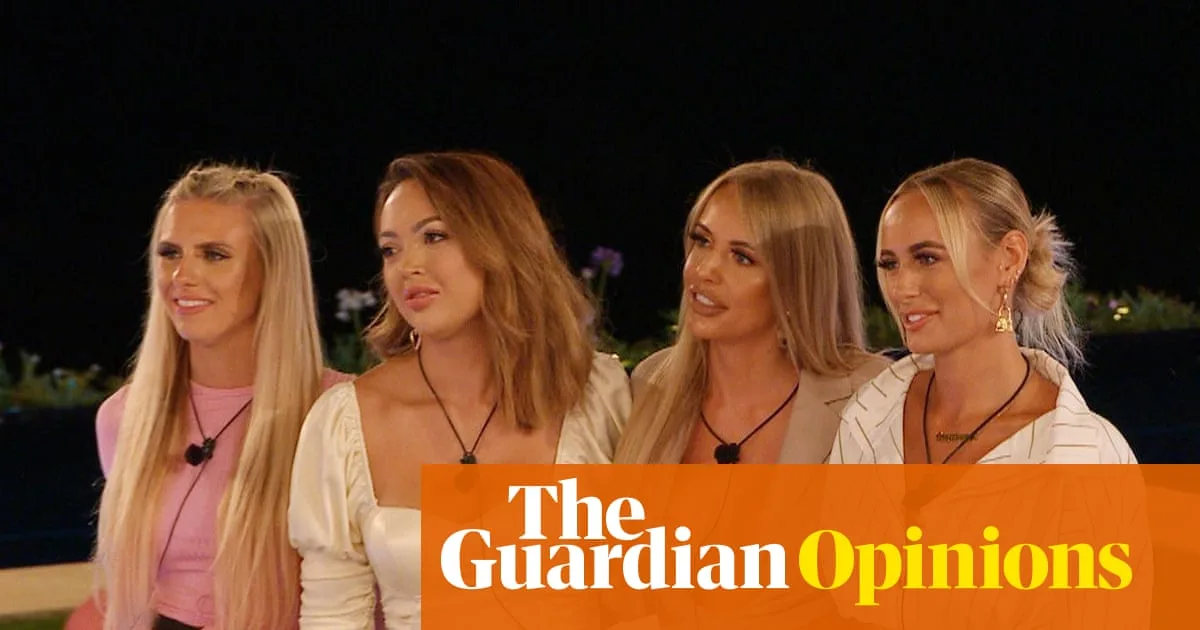
Married at First Sight (MAFS) has come under intense scrutiny regarding the safety of its participants, following allegations of sexual assault by two women who claim they were raped by their on-screen husbands. A third participant, Shona Manderson, accused her TV spouse of a non-consensual sex act. All men deny the claims.

Contestant Experiences: A Mixed Picture

Adrian Sanderson, who appeared on the 2022 UK series, describes the immediate aftermath of the wedding ceremony as deeply unsettling. “When those producers leave you and you’re, like: ‘I’m alone – I don’t get this. How is this about to happen?’ It would be daunting for anyone,” he says. “You’re exhausted by this time. You just don’t have a minute to process anything. You don’t have your phone. You don’t know what’s going on. In my opinion, it’s just not safe. It’s not OK.”

Sanderson recalls sobbing uncontrollably during filming, with experts unable to explain his distress. He believes the format itself is flawed: “It’s unfair on the welfare team. They seem to get a lot of criticism, but it’s not them. It’s the format of the show. I couldn’t really get near my friends and family. So I felt so isolated.”

Wide Pickt banner — collaborative shopping lists app for Telegram, phone mockup with grocery list

Industry Reactions and Welfare Protocols

Channel 4 has launched two reviews into its handling of past concerns and whether new welfare protocols are needed. CPL, the production company, describes its welfare processes as “gold standard”. Chief executive Priya Dogra expressed being “deeply sorry” for the distress caused, adding: “I do believe that our handling of concerns at the time was appropriate but as I only took this role up recently, I wanted this looked at again.”

While many contestants report positive experiences, a growing number of insiders argue that MAFS cannot be made completely safe in its current form. Producer Emma Pringle, who worked on the show, says: “I believe these shows could be produced in a safe way if you replace welfare with genuine mental health experts, psychologists, people that have the background to deal with these complex issues. However, that would really affect the content … If you want the current content, then no, I don’t think they can be made safely.”

Calls for Legislative Change

Pringle advocates for government regulation: “It’s not as simple as updating protocols. They have done that to death. We need legislation. We need the government to regulate this industry more. It’s not working.”

Megan Wolfe, a 2021 contestant, suggests adaptations such as separate bedrooms and making intimacy optional rather than expected. “You should opt into intimacy, rather than intimacy being seen as a given and you have to actively opt out. People would be much more empowered to outline their boundaries from the outset.”

Expert and Legal Perspectives

Media lawyer Mark Stephens argues that reality TV has gone too far: “You are removed from normal support networks, you’re placed under constant observation, you’re subject to engineered conflict and encouraged to form intense emotional and physical bonds rapidly and not in a normal way. These shows are not failing despite the pressure, they succeed because of it. Their psychologists are operating within a flawed framework. They’re not designing the format. They are asked to manage harm.”

Fatima Salaria, an experienced executive producer, highlights a wider industry concern: “Reality television asks ordinary people to make a bargain: give us your relationships, your vulnerability, your ambition, your body, your private life, and we may give you attention, opportunity and escape. The question now is whether that bargain is still sustainable. If audiences, regulators or contributors decide it is not, the consequences will not stop with MAFS. They will go to the economics of British television itself.”

Wolfe fears a race to the bottom: “With each new show that pops up, it feels like a competition to be more extreme, to show the most intimate versions of people. If you can’t mitigate risk and you aren’t 100% sure you are mitigating as much risk as you can, you shouldn’t be making the shows.”

Pickt after-article banner — collaborative shopping lists app with family illustration