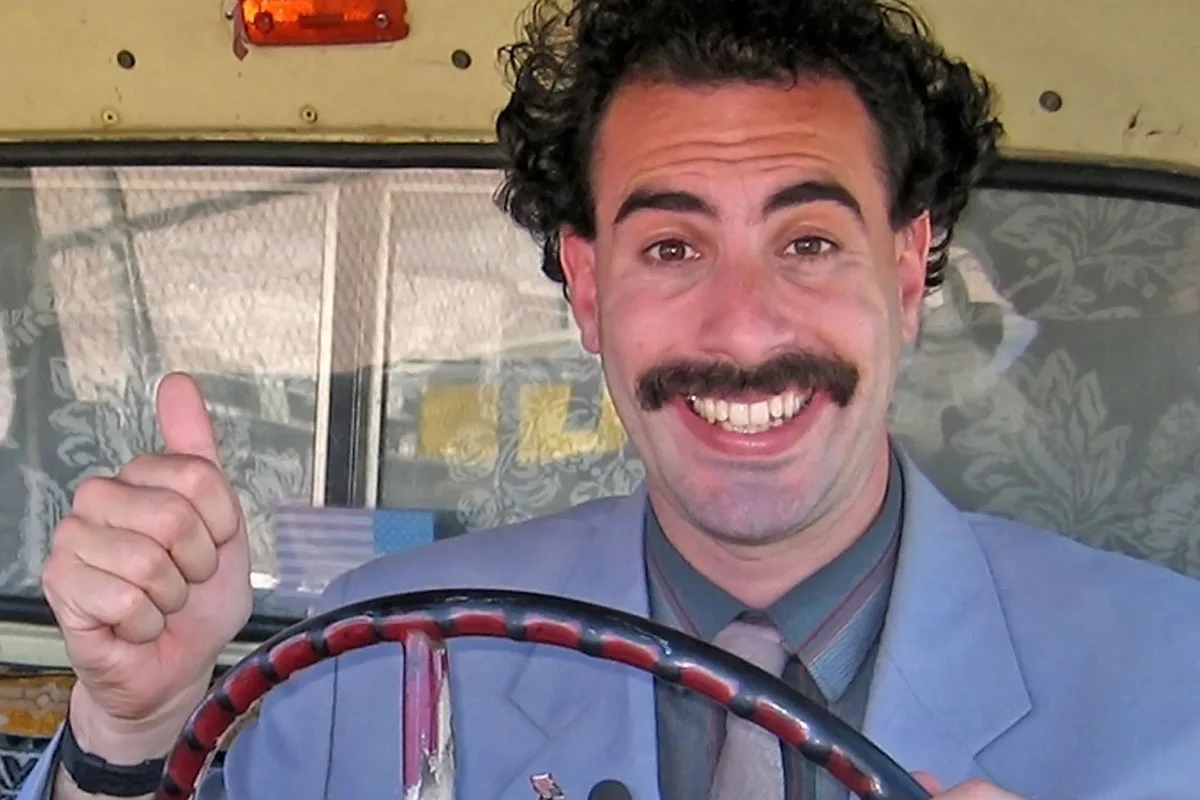
Sacha Baron Cohen has managed to survive the so-called “cancel culture” that has supposedly claimed many of his peers, according to a new analysis. The British comic, famous for characters such as Ali G, Borat and Bruno, has faced criticism over the years for potentially reinforcing racism and homophobia through his satirical portrayals. Yet he remains a prominent figure in comedy, while others have struggled to adapt.
This week sees the release of Borat Subsequent Moviefilm, a sequel that is described as perceptive, cringeworthy and crude. Its arrival has not been met with the controversy or calls for “cancellation” that might have been expected, suggesting Baron Cohen has successfully navigated treacherous waters. His approach has always tended to “punch up”, exposing hypocrisy and ignorance in those with power, while showing sympathy for those lower down the social ladder.
In the new film, Borat stays with real-life conspiracy theorists who are unaware he is a comedian. Baron Cohen described them as “ordinary folks who are good people, who have just been fed this diet of lies”, contrasting them with politicians motivated by power. He has also criticised social media platforms for amplifying divisive content, calling them “the most effective propaganda machine in history”.

Unlike some of his contemporaries, Baron Cohen has evolved his worldview. Ricky Gervais, Dave Chappelle, and the creators of Little Britain have all complained about censorship or faced backlash for outdated material. Baron Cohen, however, has spent his time reading and learning, rather than fretting about non-existent threats to comedy. His career continues to revolve around surprise, embarrassment, and exposing hidden hatred and indifference.