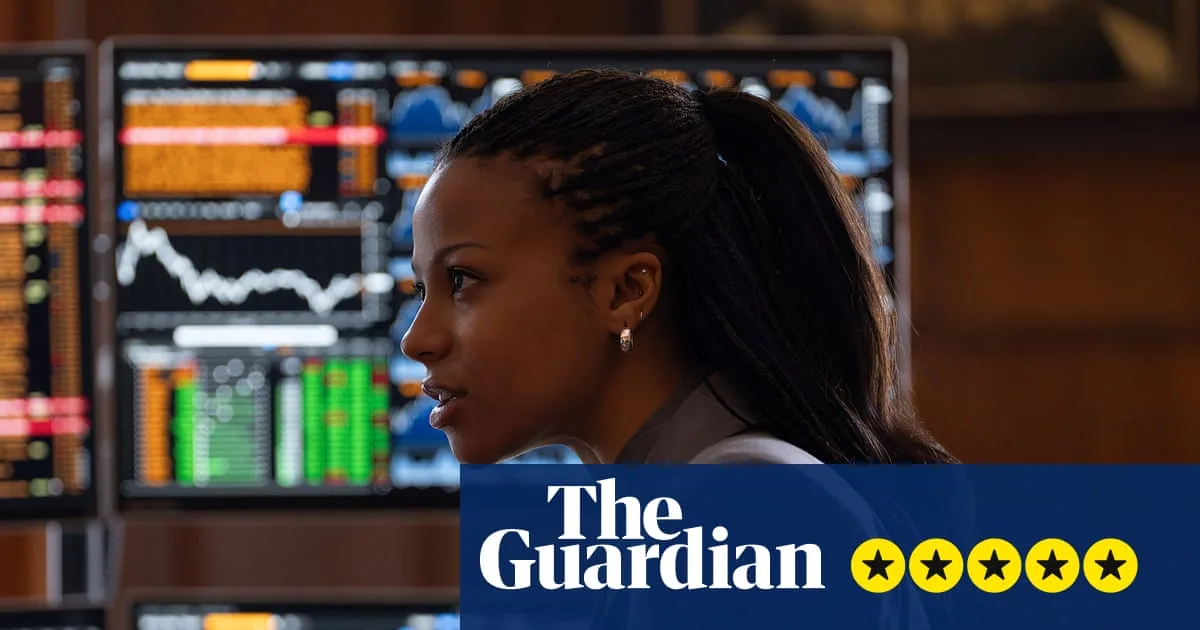
The new year has barely begun, but the television event of 2025 may already have arrived. The fourth season of the critically acclaimed HBO and BBC co-production, Industry, has landed, and it represents a staggering leap forward for the banking drama. What began as a slow-burn series has erupted into a masterpiece of sophisticated, dark, and utterly compelling television that is sure to dominate end-of-year best-of lists.
A Darker, More Debaucherous World
Gone are the days of simple comparisons to This Life. While the show retains its core focus on the cutthroat world of young investment bankers in London, season four plunges into profoundly darker and more twisted territory. The pitch-perfect, razor-sharp dialogue remains, but it now services narratives of profound psychological complexity and moral decay. The fresh-faced graduates are now seasoned players, and their battles are less about office hook-ups and more about survival in a landscape of pure, power-hungry ambition.
This season welcomes an impressive roster of new cast members who integrate seamlessly with the established leads. Kiernan Shipka sheds her Mad Men persona for a role closer to Don Draper himself, while Max Minghella, Kal Penn, and Charlie Heaton bring new dimensions to the financial world's murky edges. They join forces with returning stars like the mononymous Myha'la as Harper, Marisa Abela as Yasmin, and Kit Harington, who delivers what may be a career-best performance.
Ripped from the Headlines with a Savage Twist
True to form, Industry cleverly weaves contemporary issues into its plot. The central storyline revolves around a payment provider called Tender, which is on the cusp of becoming a bank. Its desire to sever ties with an OnlyFans-style platform, Siren, coincides with the mooted UK Online Safety Bill, creating a potent cocktail of finance, politics, and morality.
Myha'la's Harper, having narrowly escaped career oblivion multiple times, now runs a short-selling fund for the formidable financier Otto Mostyn. Mostyn, embodying the season's theme of toxic power, is characterised by his timely disdain for "woke" culture. Harper's fraught dynamic with him leads to one of the season's most blisteringly honest exchanges about race and perception, showcasing the show's fearless writing.
The creators, ex-bankers Mickey Down and Konrad Kay (who also direct several episodes this season), continue to be praised for their financial authenticity. However, their true skill lies in their unflinching exploration of race, class, desire, and sexuality. They say the unsayable, mining it for dark humour, shocking plot twists—including potential sextortion—and, most importantly, a stark sense of reality.
Career Bests and Stark Realities
The personal dramas are as intense as the professional ones. Kit Harington's Henry and Marisa Abela's Yasmin grapple with a strained marriage as Henry attempts to rebuild his career after the collapse of his green energy firm, Lumi. Yasmin's arc takes a particularly dark turn, drawing unsettling inspiration from real-life figures like Ghislaine Maxwell.
A pervasive sense of mortality hangs over the season, with death foreshadowed at every turn, particularly around the troubled, post-rehab character Rishi (Sagar Radia). Meanwhile, journalist James (Charlie Heaton) races to break stories, name-dropping real investigative journalist Patrick Radden Keefe as his benchmark, adding another layer of gritty realism.
Despite focusing on "rich people problems," the season's deep dive into the tortured psyches of its characters makes it more disquieting and strangely relatable than ever. The deliberate use of an 80s-infused soundtrack underscores a central theme: the series is exposing a deep-seated societal rot that has festered for decades, bringing its horrors vividly to life once more.
Industry season four premiered on HBO on 11 January and airs on BBC One on 12 January. It is available on iPlayer in the UK and on Binge in Australia.