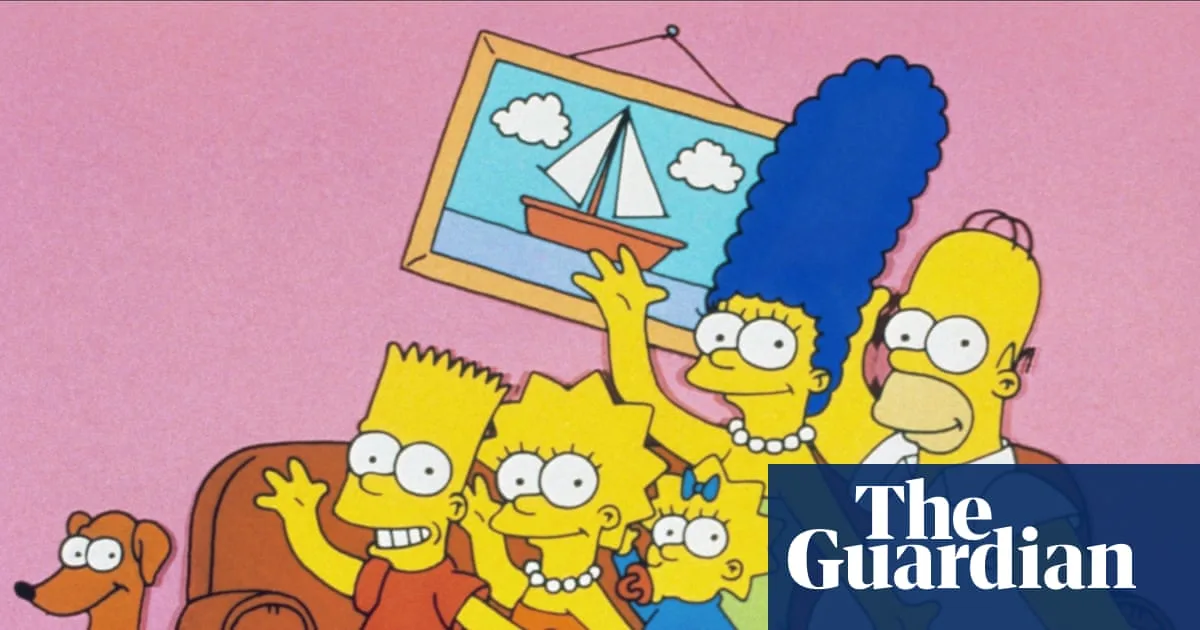
Thirty-five years ago this month, The Simpsons first aired in the UK, bringing with it a controversial reputation. In the US, the show had quickly become a ratings hit but also drew criticism from conservative media, with President George HW Bush famously calling for families to be more like the Waltons and less like the Simpsons. Many US schools banned T-shirts featuring Bart Simpson declaring himself an 'underachiever and proud of it, man'.
In Britain, the show was initially viewed with suspicion, partly due to its brash American style and its airing on Rupert Murdoch's Sky TV. However, attitudes shifted when the BBC began syndicating the series in 1996. Today, The Simpsons is broadcast for about 50 hours a week in the UK, not including streaming on Disney+, and has become a permanent fixture on British television.
The show has permeated British culture beyond the screen. The hit single 'Do the Bartman', co-produced by Michael Jackson, topped the UK charts in 1991 despite not being released in the US. Former Prime Minister Tony Blair voiced himself on a 2003 episode, making him the only serving head of government to appear on the show. The series has also been referenced in Parliament, with MPs using episodes as analogies for political issues, such as a failed monorail proposal compared to a Simpsons scam.