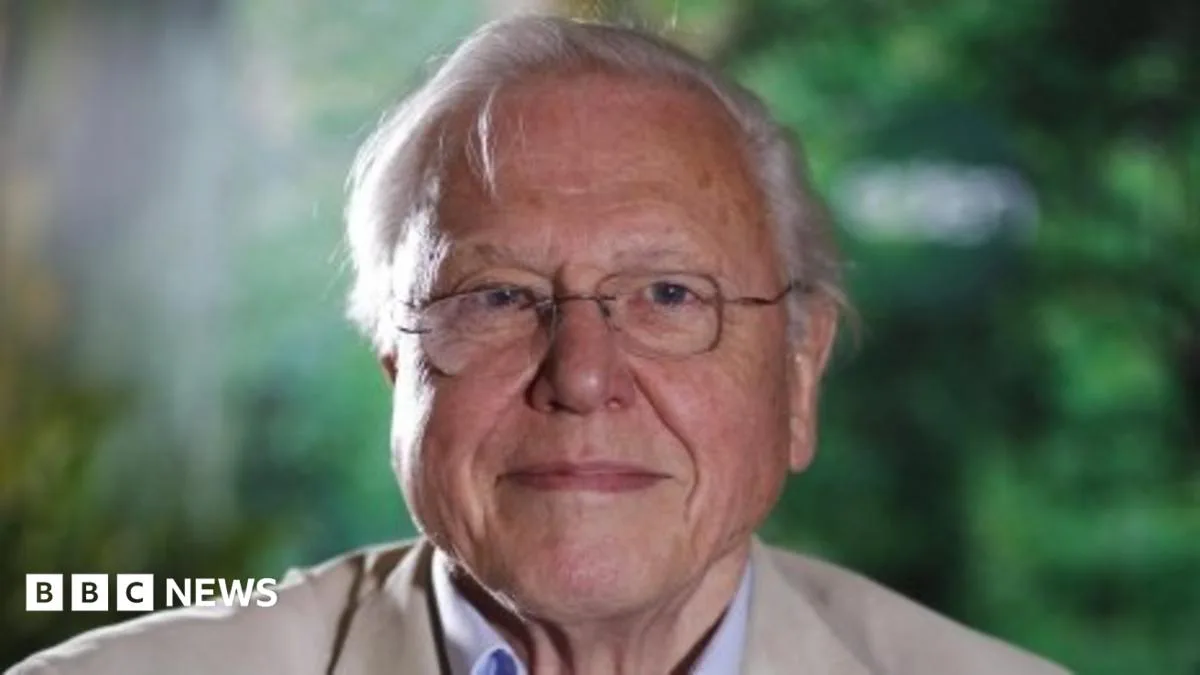
A remarkable piece of broadcasting history has come to light, revealing how the legendary career of Sir David Attenborough, the very embodiment of the BBC's traditional values, almost never began. A previously unseen letter from July 1952 details the haphazard start to his seven-decade association with the corporation.
The Letter That Changed Broadcasting History
As a young, budding naturalist, the 26-year-old David Attenborough applied for a role as a producer at the BBC. His initial application was rejected. However, in a twist of fate, the corporation then encouraged him to apply for its television training scheme. He took the advice and gave it another shot.
The newly revealed correspondence, addressed to the future national treasure, informs him that his interview was successful. It states clearly: 'I am now writing to let you know that you were selected for the Television Training Course as Talks Producer.' The BBC itself has acknowledged that the success of this second application 'arguably changed the course of broadcasting history'.
A Treasure Trove of Broadcasting Secrets
Sir David's pivotal letter and his earlier application form are now part of a vast new public archive of more than 50,000 documents. This collection details myriad aspects of the national broadcaster's 100-year history. The archive will be made available to researchers and the public, aiming to shine a light on the BBC's profound role in the UK's cultural and social history.
Noreen Adams, the BBC's Director of Archives Technology and Services, said: 'This release is part of our plans to make more of the BBC's written archives available to the public. This first batch includes extraordinary material.'
Other Highlights from the Archives
The archive is not limited to Sir David's papers. It also contains fascinating glimpses into the early careers of other British icons. In one letter, a 15-year-old aspiring actress named Vanessa Redgrave writes to BBC executives, asking for an audition for herself and her brother, Corin. She would later win an Oscar, and Corin became a renowned Shakespearean actor.
Another document details the 'untold story' of the BBC's attempts to lure the great Sir Laurence Olivier to make his television debut in 1949. A BBC executive, Cecil Madden, wrote to Olivier's producer, Anthony Bushell, urging: 'Try to persuade Olivier to do some television for us. We would put on almost anything he liked.' Despite this enthusiastic pitch, Olivier never starred in a BBC drama.
Sir David Attenborough, now 99, would of course rise through the BBC ranks to become Controller of BBC Two and Director of Programming in the 1960s and 70s. He later forged an unparalleled legacy as the presenter of countless award-winning natural world documentaries, his voice and ethos becoming synonymous with the BBC itself. This simple letter of acceptance proves that history can turn on the smallest of moments.