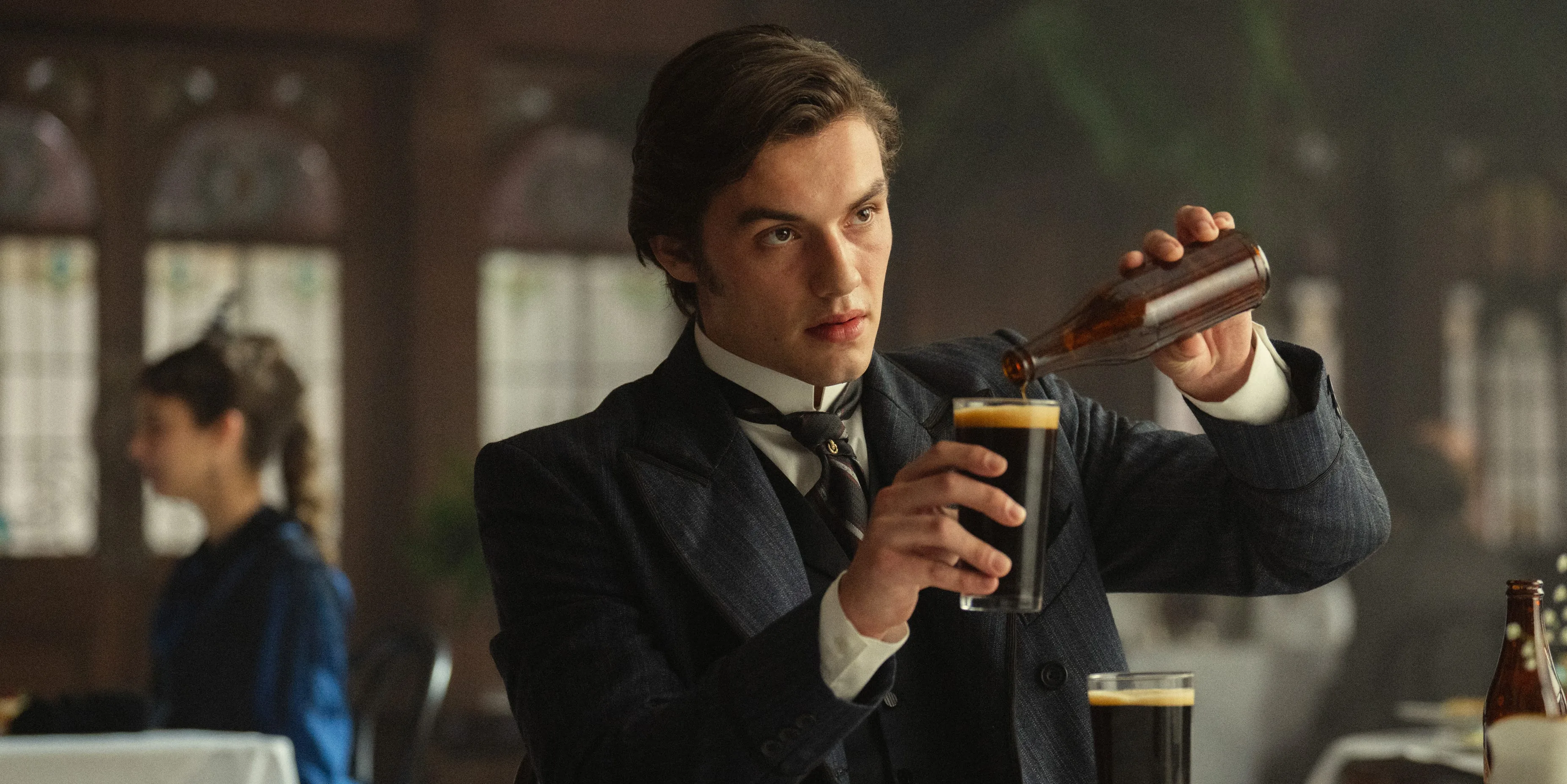
House of Guinness: The UK Filming Secrets Behind Netflix's Hit Show
House of Guinness: UK Filming Secrets Revealed

The UK's Secret Role in Netflix's Period Drama

When House of Guinness premiered on Netflix in September, it quickly became one of the most-watched series in the UK, captivating audiences worldwide with its tale of power and inheritance. Created by Steven Knight, the mastermind behind Peaky Blinders, the drama transports viewers to the 1860s, immediately following the death of brewery magnate Sir Benjamin Guinness.

The series explores how his will dramatically affects his four children: Arthur, Edward, Anne, and Ben. As creator Steven Knight explained to Tudum, "It's the extraordinary story of a family who happens to be the inheritors of the biggest brewery in the world." He added that the young heirs face two primary challenges: "Don't screw it up" and make the Guinness brand even bigger.

Why England Became 1860s Dublin

Despite being set in Dublin and New York, the production team made the practical decision to film primarily across England and Wales. Steven Knight revealed this was a deliberate creative choice, stating that his team sought locations that most accurately resembled Dublin in 1868.

"What they are looking for are things that looked most like Dublin in 1868," Knight explained. "And the fact is that Dublin now looks less like Dublin in 1868 than other areas do." He drew parallels to his previous work, noting that Peaky Blinders wasn't filmed in Birmingham for similar reasons.

Executive producer Karen Wilson supported this decision, adding that after examining historical photographs, the team realized "very little remains of Dublin that still looks like it did in 1868." Their search ultimately led them to discover that Northern England offered the perfect combination of stately homes and Dublin-style architecture.

Exploring the Key Filming Locations

The production utilized numerous iconic sites across England and Wales to bring the Guinness family saga to life:

Liverpool served as the primary filming hub, with several of its historic buildings featuring prominently. Croxteth Hall, one of Liverpool's most iconic heritage sites, became a key location. Its interior was specially decorated to resemble Dublin's Iveagh House, and the hall's Victorian Walled Garden had previously appeared in Peaky Blinders.

St George's Hall and its surrounding quarter provided the backdrop for Benjamin Guinness' funeral procession, protests, and rallies. The area's stunning Victorian architecture perfectly captured the period's grandeur. Meanwhile, Liverpool Town Hall, a Grade I listed building, hosted scenes of the Guinness family gathering.

Other Liverpool locations included Sefton Park Palm House, which depicted botanical gardens visited by Arthur Guinness, and Stanley Docks, which convincingly doubled as the Guinness brewery.

Beyond Liverpool, the production ventured to Manchester's Northern Quarter, which stood in for New York streets. In Wales, Penrhyn Castle in Bangor portrayed the sweeping Ashford Estate. Yorkshire's Broughton Hall Estate in Skipton provided multiple settings, including the exterior of St Anne's estate, various rooms, and even Ashford Castle.

The success of House of Guinness demonstrates how British locations can authentically recreate historical settings from elsewhere, proving that sometimes the best way to capture a place's past is to look beyond its present.