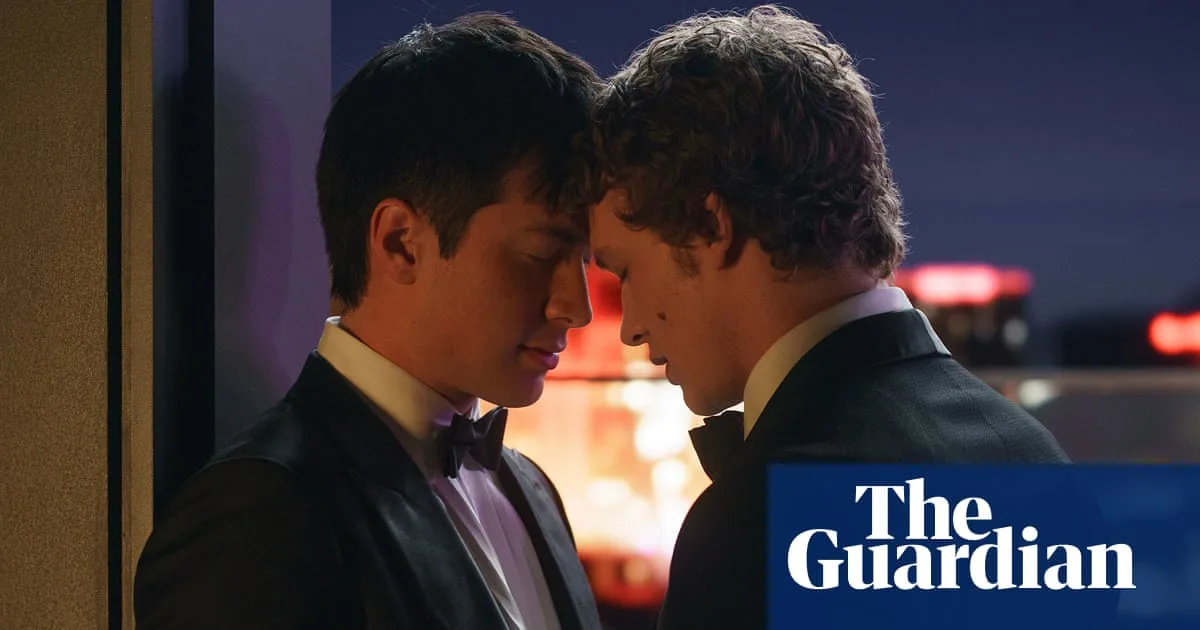
The television series Heated Rivalry has emerged as a surprise critical and commercial success for streaming service Crave and broadcaster HBO. This drama, centred on a clandestine romance between two top male ice hockey prospects, has ignited a fresh and urgent conversation about the persistent barriers to acceptance within professional sports, specifically the National Hockey League (NHL).
The Unspoken Rule: 'No One Can Know'
At the heart of the show's narrative lies a powerful, repeated phrase: 'No one can know.' This directive, exchanged after the first intimate encounter between Canadian star Shane Hollander and Russian rival Ilya Rozanov, encapsulates a deeply ingrained reality within hockey culture. The series uses this fictional relationship to probe the sport's long-standing and often contradictory stance on visibility and diversity.
This dramatic exploration arrives at a pivotal moment for the NHL. The league's Hockey Is For Everyone initiative, launched in 2017, was designed to broaden the sport's appeal and explicitly welcome fans from the LGBTQ+ community. In 2022, Commissioner Gary Bettman championed inclusion as a 'driver for performance' in the league's first diversity and inclusion report. However, this momentum proved fragile. The 2022 report was later removed from the NHL's official website, and no subsequent report has been published.

From Pride Jerseys to 'Distraction': The NHL's Retreat
The league's commitment faced a very public test in January 2023. Ivan Provorov, then a defenceman for the Philadelphia Flyers, refused to wear a Pride-themed warm-up jersey, citing his religious beliefs. This act triggered a wave of similar refusals from other players. Instead of enforcing the initiative, the NHL's response was to scrap the Pride jerseys entirely. Bettman later characterised the situation as having 'become more of a distraction'.
This concept of avoiding being a 'distraction' is a recurring theme for players navigating personal issues. A 2019 study by researcher Cheryl MacDonald, involving interviews with gay players, revealed a pervasive fear. Players felt that revealing their sexuality, or dealing with concussions, abuse, or mental health struggles, was unacceptable because it shifted focus away from the team. The prevailing belief was that someone equally skilled, but without such a 'distraction', would take their place.
A Glimpse of Possibility and a Frustrating Paradox
Heated Rivalry offers a fictional counterpoint to this culture of silence. In a pivotal scene, another gay player publicly kisses his boyfriend on the ice after a championship win, a moment met with apparent crowd approval. This stands in stark contrast to the league's recent real-world actions.
Interestingly, MacDonald's 2019 research also found a paradox. When players did come out, teammates typically reacted positively. Homophobic locker room banter diminished, and a more consensual, respectful humour often developed. This highlights the frustrating gap between the sport's internal potential for acceptance and its institutional reluctance to lead.
The NHL's official reaction to the series' popularity has been characteristically muted. In December, a spokesperson offered a cheerful but non-committal line to the Hollywood Reporter, calling it a 'unique driver for creating new fans'. The statement, while harmless, underscores a continued institutional avoidance of substantive dialogue. For the NHL, the conversation about LGBTQ+ visibility in hockey still appears to be treated not as a core issue for the sport, but as an unwelcome diversion.