The familiar face of Frank Butcher, with his trademark trilby and cheeky cockney charm, made Mike Reid one of Britain's most beloved television stars. Yet behind the EastEnders legend's public success lay a private life marked by unimaginable tragedy and financial ruin that would ultimately claim everything he held dear.
From Comedy Clubs to Albert Square
Born in Hackney, East London in 1940, Michael Reid came from humble beginnings and left school at an early age. Before finding fame, his life took various turns, including alleged minor criminal activity and associations with notorious East End gangland figures like the Kray twins.
His entertainment career began unexpectedly as a stuntman during the 1960s, working on major productions including The Dirty Dozen and the James Bond parody Casino Royale. However, it was his natural gift for comedy that would change his life forever.
Reid's razor-sharp wit and rapid-fire delivery quickly made him a standout on the stand-up circuit. By the early 1970s, he achieved national recognition through ITV's The Comedians, establishing his reputation as a straight-talking entertainer with an unmistakable cockney persona.
The Role That Defined a Career
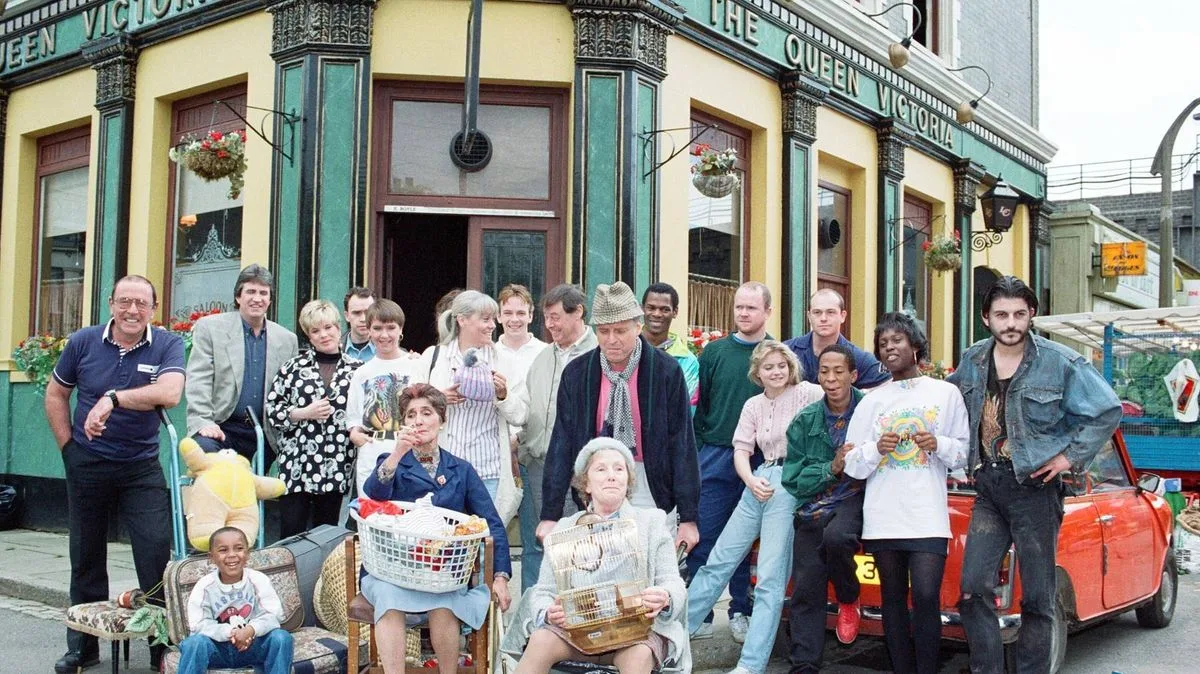
In 1987, Reid landed the part that would define his career - used car dealer Frank Butcher in EastEnders. Initially a minor character, Frank became a regular the following year after buying the Queen Vic from Den Watts.
With his flamboyant outfits and rapid-fire speech, Butcher quickly became one of the soap's most iconic characters. Reid's real life often blurred with his television counterpart - he confessed that portraying Frank's mental breakdown storyline during the mid-1990s proved so draining that he experienced genuine anxiety and temporarily left the show.
Frank's turbulent relationships with Pat (played by Pam St Clement) and Peggy (Barbara Windsor) became some of EastEnders' most memorable moments, keeping millions of viewers glued to their screens.
Personal Tragedies and Financial Collapse
While Reid's professional life brought fame and financial security, his personal life was devastated by a series of heartbreaking events. In 1990, his youngest son Mark, who had been struggling with serious mental health problems for years, fatally shot a friend before setting himself on fire and dying from his wounds.
In his autobiography T'riffic, Reid wrote: "It is my true and honest belief that Mark had gone to scare his mate by firing at the wall beside him but instead shot him point-blank in the heart." He added: "Mark killed himself in the most horrible way you could imagine."
Months later, Reid's granddaughter - Mark's daughter - tragically died from cot death. Years earlier, his first child had passed away just five days after birth.
Reid spoke openly about how these devastating losses affected him, acknowledging that the pain never truly disappeared: "People must see me on TV or in cabaret laughing, singing, cracking gags and imagine that time has healed the pain and the scars. If only they knew."
His financial situation collapsed when a disastrous investment in Spain destroyed a substantial portion of his fortune, plunging not only him but also members of his wider family into financial hardship.
A Tragic End
Despite medical advice, Reid remained a heavy smoker throughout most of his life. In July 2007, while living in Marbella, Spain, he tragically passed away from a suspected heart attack at age 67 - just weeks after receiving a clean bill of health following a comprehensive medical examination.
Despite a long-standing career in entertainment that included prime-time television roles and profitable comedy tours, he died with minimal funds remaining.
Reid's funeral at Little Easton Parish Church in Essex saw over 250 attendees, including former EastEnders colleagues Pam St Clement, Barbara Windsor, June Brown, and Sid Owen. The BBC dedicated an episode of EastEnders to his memory, a fitting tribute to the actor who contributed so much to British television.
The story of Mike Reid serves as a poignant reminder that behind the glamour of television fame often lies hidden pain and tragedy that even the brightest spotlight cannot illuminate.