Jeremy Clarkson's Blistering BBC Attack: A Decade On From Top Gear Exit
Clarkson Launches Scathing Attack on BBC 10 Years After Exit

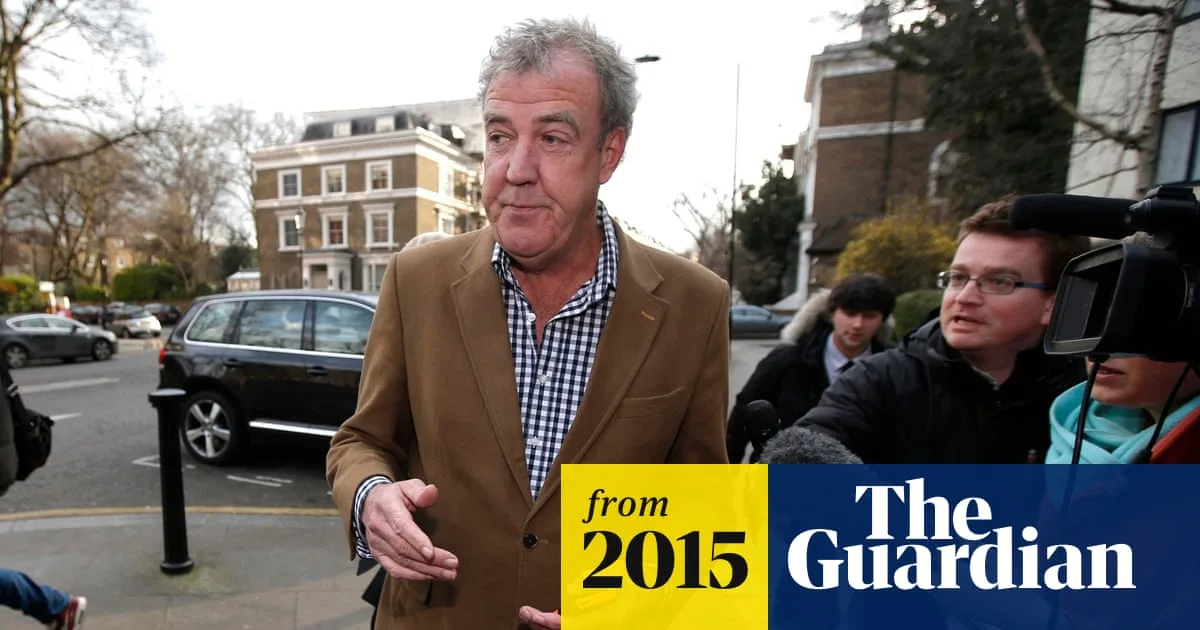
Former Top Gear presenter Jeremy Clarkson has launched an extraordinary and scathing verbal assault on the BBC, marking a decade since his explosive departure from the corporation.

A Decade of Resentment: Clarkson's Ongoing Feud

The 65-year-old television personality, who was dismissed from the BBC in 2015 following a now-infamous physical altercation with producer Oisin Tymon, remains deeply critical of his former employer. The incident, sparked by a dispute over the lack of hot food after filming in Yorkshire, ended his long-running tenure on the motoring show.

Despite building a successful rival programme, The Grand Tour, on Amazon Prime Video, Clarkson's latest broadside confirms his bitterness has not subsided. He insists, however, that his criticism is not rooted in his own exit but in the broadcaster's recent performance and conduct.

Cataloguing Crises: From Savile to Christmas Ratings

In a column for The Times, Clarkson meticulously listed a series of scandals that have plagued the BBC, arguing his own past controversies pale in comparison. He pointed to the depraved crimes of former BBC figures Jimmy Savile and Rolf Harris.

He also criticised the corporation's handling of the Huw Edwards case, which saw the veteran journalist sentenced in 2024 for possessing indecent images of children. Clarkson further took aim at editorial decisions, citing the editing of a Donald Trump speech in a Panorama documentary—a move that prompted a $10 million lawsuit from the former US President—and the broadcast of Glastonbury performer Bob Vylan inciting chants against the IDF.

Contrasting these with his own reprimands, such as the controversy over his dog's name, Didier Dogba, Clarkson claimed to feel "a tiny bit smug" about the BBC's troubles, stating his life has "improved immeasurably" since leaving.

The Future of the Beeb: Licence Fee and Streaming Wars

Clarkson's attack extended to the BBC's financial and structural challenges. He sensationally suggested the broadcaster should abolish the television licence fee, linking it directly to viewer dissatisfaction.

"As a result of all these mistakes and the right-on nature of the content, the BBC had its worst-ever ratings on Christmas Day and last year lost more than £1 billion in revenue as households said they no longer wished to watch it," he wrote.

He argued that resources are being drained by "boring" low-cost daytime programming, funds which he believes should be redirected to create high-quality drama capable of competing with giants like Netflix and Disney+. While praising BBC iPlayer as "one of the best bits of tech in the business," he proposed the radical solution of a merger with another broadcaster to ensure survival in the modern streaming landscape.

The BBC has been contacted for comment regarding Clarkson's claims.