The Show That Defied Television's Biggest Challenge
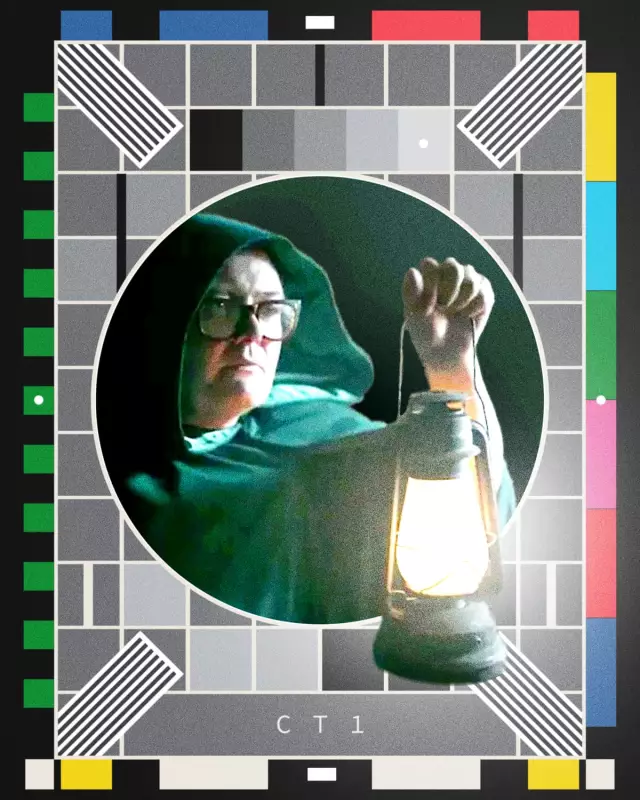
In an era where television executives have been desperately trying to solve one of their most persistent problems, The Celebrity Traitors has delivered a remarkable solution. The BBC reality show has accomplished what many thought impossible: it has successfully brought generation Z back to live television viewing.
The programme's overnight ratings tell an extraordinary story. More than half of viewers aged 16-24 watched every episode as it was broadcast, defying the widespread industry assumption that younger audiences had permanently abandoned scheduled television for digital platforms like TikTok, YouTube and Instagram.
Record-Breaking Numbers and Industry Impact
The show's finale achieved what few programmes have managed in recent years. Its overnight average audience exceeded 11 million viewers, making it the biggest television event of the year and the most-watched programme since the Gavin & Stacey Christmas special.
According to data from Digital i, the statistics are even more impressive when examining younger demographics. A staggering 81% of 16-24 year olds watching linear TV during that time slot tuned into The Celebrity Traitors finale.
Matt Ross, Digital i's chief analytics officer, emphasised the significance of this achievement: "At a time when younger audiences are increasingly turning away from live linear TV, The Traitors has grown into appointment viewing for 16- to 24-year-olds in the UK. The most recent iteration has been a major draw for younger viewers."
The Secret Behind Capturing the Youth Market
Industry experts are now racing to understand the formula behind the show's unprecedented success with younger viewers. Katy Fox, executive producer at Studio Lambert which produces the show for the BBC, highlighted the importance of multi-generational appeal.
"The idea of the whole family stopping what they're doing and sitting round the telly to share in a hugely positive, joyous show is exactly what you hope for as producers," Fox explained. "The best thing about the 16- to 24-year-olds taking to Traitors so faithfully is just the sheer amount of energy and creativity they bring to fandom."
The show's success comes at a crucial time for the BBC, which has faced recent criticism about its cultural relevance to younger audiences. Just this week, Jordan Schwarzenberger, manager of the successful YouTube collective the Sidemen, warned that the corporation risked becoming culturally irrelevant to young people.
Multi-Platform Strategy and Social Media Integration
Kate Phillips, the BBC's chief content officer who originally commissioned the programme, revealed that strategic partnerships with TikTok and a social media strategy specifically designed for under-35s were key components of their approach.
"What I want is shows that have the 3Gs at their heart," Phillips said. "By that, I mean shows that have three generations of people all watching together. One thing I've taken away is that, actually, young people really love to watch with their parents, with their grandparents."
The programme embraced what industry insiders call "always on" appeal, functioning similarly to live sports events with supporting content including an official podcast, numerous clipped moments and encouragement of fan-made memes and content.
Media consultant Jon Willers noted the show's unique ability to bridge traditional and digital worlds: "It's one of those few shows that bridges two different worlds. There's a digital world, which skews younger and it's more about socials and less about watching traditional telly. Then you've got the traditional world, which is about seeing what's on at 9pm."
Lessons for the Television Industry
The success of The Celebrity Traitors demonstrates that younger audiences haven't completely abandoned television - they've simply become more selective about what they watch. Evan Shapiro, a Hollywood producer turned analyst, pointed to the show's creator-focused approach as key to its crossover success.
"The mindset of successful crossover IP is 'the show is the clip and the clip is the show - and together they are the show'," Shapiro explained. "It's all proof that when big publishers act like creators, they can be dominant creators themselves."
For Peter Fincham, co-CEO of production company Expectation, the lesson is simpler but no less important: "The most powerful form of marketing is always going to be word of mouth. It's in the conversation at home, at work, at school. When that happens, you get young people watching."
The programme's casting strategy also played a crucial role, featuring internet personalities like Niko Omilana, who boasts over 8 million YouTube subscribers, alongside more traditional celebrities. This mix created appeal across multiple demographics and social media ecosystems.
As the television industry continues to grapple with changing viewing habits, The Celebrity Traitors stands as compelling evidence that with the right content and strategy, younger audiences can still be persuaded to gather around the television - even in the age of algorithm-driven digital entertainment.