Bridgerton Season Four Review: A Bananas Regency Romp That's Hard to Resist
Netflix's extravagant period drama Bridgerton returns for its fourth season, continuing its unique blend of Regency-era romance, scandal, and outright absurdity. The show remains an unapologetically over-the-top spectacle that defies conventional television comparisons.
A World of Its Own Making
From the opening scenes, it becomes clear that Bridgerton operates in a realm entirely of its own creation. While superficial similarities to other period dramas exist—the lavish costumes, grand houses, and social hierarchies—the show quickly establishes its distinctive, heightened reality. As Benedict Bridgerton declares his intention to chart "a more venturesome course" while his mother Violet frets about family reputation, viewers are transported into a world where Regency manners collide with modern sensibilities.
The series, based on Julia Quinn's popular novels, presents Mayfair's social season with all its balls, courtship rituals, and gossip. Yet this familiar framework serves as a backdrop for increasingly fantastical storylines that push the boundaries of period drama conventions.

New Characters and Returning Favourites
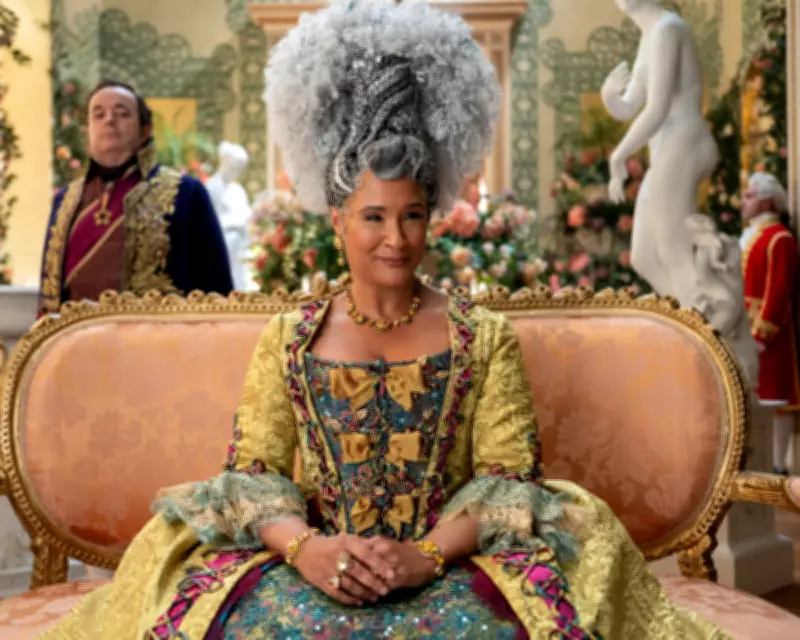
Season four introduces several compelling new dynamics while developing established characters. Francesca Bridgerton returns from Scotland with her husband Lord John, while his cousin Michaela brings potential for scandal and intrigue. Penelope Bridgerton, now revealed as Lady Whistledown, navigates her new status under the watchful eye of Queen Charlotte, whose extraordinary wigs and theatrical presence continue to steal scenes.
The central romantic tension focuses on Benedict Bridgerton, whose rakish reputation precedes him as he becomes entangled with Sophie, a Cinderella-like figure working as a maid. Their cross-class relationship faces obstacles from scheming stepmother Lady Araminta Gun, creating the kind of fairytale conflict that has become Bridgerton's signature.
Production Values and Tone
What makes Bridgerton particularly noteworthy is its commitment to its own peculiar vision. The production design remains exquisite, with costumes and sets that create a visually sumptuous world. The musical score swells dramatically at moments of tension, enhancing the emotional impact of key scenes.
Despite its occasionally clunky dialogue and heavy exposition—which sometimes obstructs views of Queen Charlotte's increasingly elaborate hairstyles—the show maintains a sincere approach to its material. There's a notable absence of cynicism in the Cinderella elements, and the romantic scenes display genuine tenderness alongside their more passionate moments.
A Unique Television Experience
Bridgerton represents a distinctive approach to period drama that blends soap opera conventions with fairytale wish-fulfilment. The result is a series that can only be described as "quite bananas" in its execution, yet somehow manages to be compelling viewing. Its willingness to embrace absurdity while maintaining emotional sincerity creates a viewing experience that proves surprisingly difficult to resist.
For those seeking traditional historical accuracy, this may not be the series for them. But for viewers willing to suspend disbelief and embrace the show's particular brand of Regency fantasy, Bridgerton offers a uniquely entertaining escape into a world where romance, scandal, and extraordinary wigs reign supreme.