Big Mood Season Two Review: A Departure from Nuanced Drama to Farce
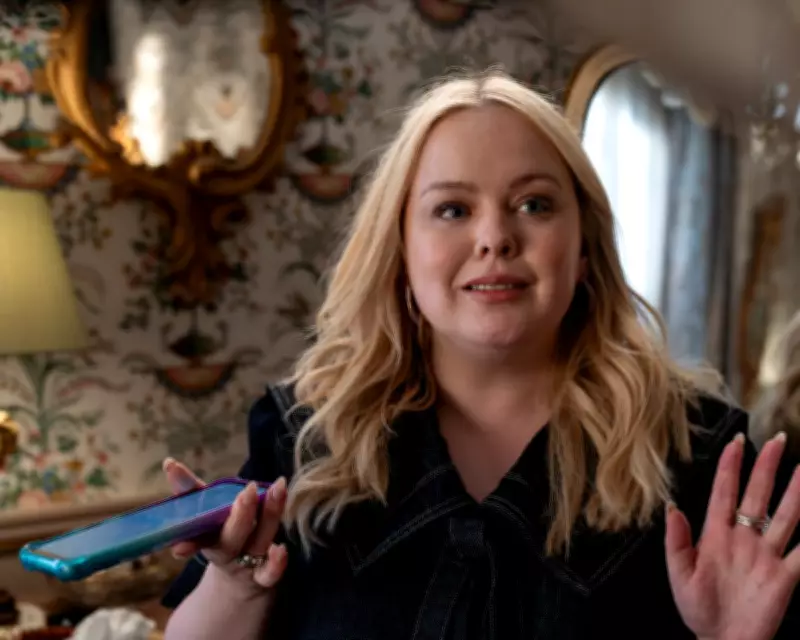
In her so-called 'stable girl era', Nicola Coughlan reprises her role as Maggie in the Channel 4 comedy drama Big Mood. The second season marks a significant shift from the first series' insightful exploration of bipolar disorder, transforming into a knockabout farce centered on a fractured friendship. This change in tone and focus may leave audiences questioning the show's direction and emotional depth.
From Bipolar Insight to Relationship Chaos
The inaugural season of Big Mood delved deeply into Maggie's bipolar disorder, portraying her manic and depressive episodes with nuance and sensitivity. Maggie's decision to cease medication led to a harrowing journey, including lithium poisoning from an erroneous prescription, all externalised masterfully by Coughlan's performance. The show balanced realism with humour, though some critics found its blend of wacky sitcom elements and dark comedy jarring.
Additionally, the first series highlighted the intense bond between Maggie and her best friend Eddie, played by Lydia West. Their friendship faced strain due to an unbalanced support system, culminating in Eddie's departure to California without explanation, as Maggie grappled with hallucinations and unconsciousness.

Season Two: A New Focus on Farce and Friendship
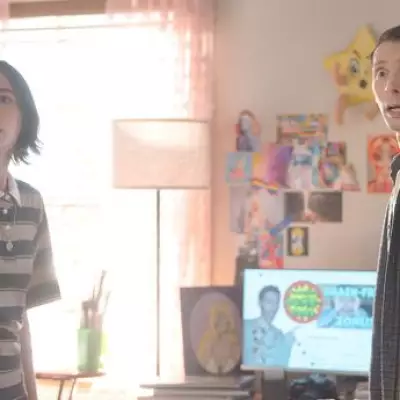
Returning for its second outing, Big Mood sees Maggie in a more stable phase, adhering to a meticulous routine and pining for Eddie, who has been out of contact for a year. The plot revolves around a mutual friend's wedding, which teases reconciliation, but quickly descends into ludicrous subplots involving a militant maid of honour and a secret husband extorting the couple.
The core intrigue emerges with Eddie's return under the influence of Whitney, a wellness guru who has drained her finances and aims to sever her ties with Maggie. This storyline shifts the focus away from mood disorders, instead layering farcical elements over a painstaking dissection of the pair's rift. Maggie becomes obsessed with exposing Whitney as a scammer, enlisting the help of Eddie's friend Will, whom both women treat with contempt.
Challenges in Character Consistency and Investment
This new narrative proves difficult to invest in, as Eddie's character, originally depicted as smart and cynical, seems incongruously susceptible to Whitney's grift. Despite Coughlan's empathetic portrayal, Maggie's destructive tendencies continue to justify Eddie's initial decision to distance herself. The platonic romance that once felt intoxicating now appears toxic, raising questions about the viability of their friendship.
While the show's humour and charm may appeal to those drawn to its messy millennial themes, the broad-strokes comedy occasionally yields to dramatic insight. However, the overall shift from a nuanced look at mental health to a farcical tale of relationship woes may not resonate with all viewers, suggesting it might be time for the characters to move on.
Big Mood is currently airing on Channel 4 in the UK and streaming on Stan in Australia, inviting audiences to judge whether its ambitious scope translates into meaningful entertainment.