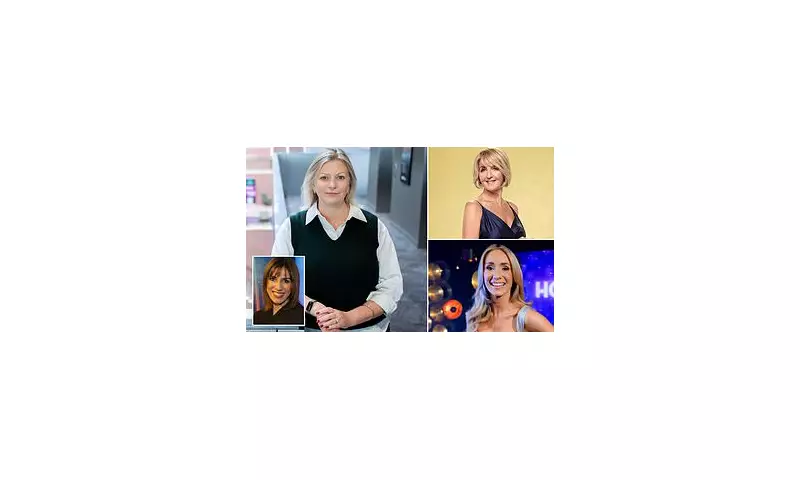
While her face might not be instantly recognisable to millions of BBC Scotland viewers, the impact of her decisions certainly is. For the past twelve months, Hayley Valentine, the Director of BBC Scotland, has steered the broadcaster's output, facing both praise and criticism for the sweeping changes implemented on her watch.
A Year of Major Decisions and Audience Focus
The 54-year-old executive, who commands a salary of £180,000 a year, has presided over some of the most significant shifts in the broadcaster's recent history. It was Valentine who made the final call to axe the Glasgow-based soap River City, which will disappear from screens in 2026 after nearly 25 years. She also signed off on the end of Good Morning Scotland, the nation's longest-running radio show launched in 1973, which was 'refreshed' last month with a new name and presenters.
In a wide-ranging interview, Valentine, a mother of two university-age children, framed every choice through the lens of audience demand. "I make decisions based on what I think the audience need is in Scotland," she stated. "What the audience is telling us... it's not about me."

This pragmatism extended to her view on The Nine, the flagship hour-long news programme she launched in 2019 for the new BBC Scotland channel. Despite being her "baby" and a project she remains proud of, it was axed in December 2022 due to low viewing figures. "I'm a pragmatist and a realist," she said, acknowledging that audience behaviour has changed rapidly.
Navigating Controversy and Changing Tones
One unresolved issue casting a shadow is the future of suspended Radio Scotland star Kaye Adams, who faces bullying allegations. Valentine declined to comment on the matter during the interview, but it remains a prominent headache.
Her vision for BBC Scotland involves a warmer, more conversational tone. She has overseen changes like replacing veteran Shereen Nanjiani's Saturday show with the younger, irreverent Saturday Show hosted by Amy Irons and Steven Mill. A major night-time radio shake-up is also planned, with established music shows facing the chop, prompting a 14,000-strong petition to save The Iain Anderson Show.
Valentine rejects accusations of a 'woke agenda', defending a recent instance where an interview with a gender-critical lawyer was prefaced with a note that the content might be "challenging." "I reject the wokery thing," she said. "It is about making sure that audiences know how to navigate a story."
Investing in Drama and Competing with Streamers
The decision to end River City was financially motivated, Valentine explained. With viewership falling to around 200,000 from a peak of half a million, the soap's budget was reallocated. "The money that we were putting into River City was a big chunk of our budget," she said, noting that dramas like Shetland attract up to 800,000 viewers in Scotland.
She aims to produce high-impact series to compete with streaming giants like Netflix, while ensuring Scottish stories are told. "I'm making ten of those things, and everything I do is about how we can tell the stories of Scotland," she asserted, adding that training opportunities are built into new drama commissions.
Despite the turbulence and criticism, Valentine, a Fife-born journalist who started her career covering golden weddings for local papers, welcomes the feedback. "The worst thing that could happen is people stopped sending me letters," she said. "I want the feedback." For the director steering BBC Scotland through a period of radical change, that audience connection remains the ultimate guide.