Australia's Content Dilemma in the Age of Streaming Giants
The Australian government has taken a tentative step toward honouring an election promise by introducing legislation requiring global streaming platforms to invest approximately 7.5% of their local revenue in Australian content. This move comes after eight official inquiries over the past decade and intensive lobbying from the local industry's "Make it Australian" campaign.
Arts Minister Tony Burke had initially promised more ambitious targets, including discussions around 20% quotas and demands for "algorithmic prominence" within streaming platforms. However, these proposals were quietly moved to the "too-hard basket" until renewed pressure forced action.
The Streaming Content Glut and Cultural Identity
Julianne Schultz, author of The Idea of Australia, describes the current streaming environment as a form of "algorithmic digital colonisation" that distracts viewers to death. The scale is staggering: Netflix alone hosts over 16,000 titles that would take more than three years of continuous viewing to watch.
When multiplied across Disney, Apple, Amazon Prime, HBO, and other platforms, plus the 14 billion videos on YouTube, the traditional rules of supply and demand become obsolete. The desire to see Australian stories, people, and places reflected on screen remains genuine but increasingly feels quaint in this overwhelming digital landscape.
The Financial Reality of Modern Production
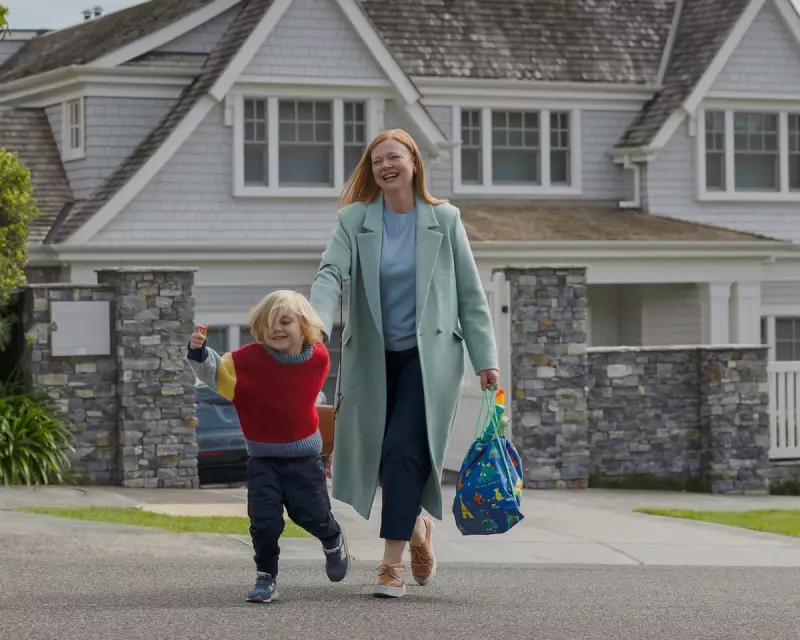
The challenge isn't just about quantity but quality and scale. The recent production "All Her Fault" starring Sarah Snook exemplifies this dilemma. Made in Melbourne with a budget exceeding $70 million and support from VicScreen and Screen Australia, this eight-part thriller employed hundreds of people.
Yet it raises fundamental questions about authenticity. Does dressing Melbourne to resemble Chicago while showcasing an internationally acclaimed Australian star constitute an authentic Australian story? The substantial budget also highlights how streamers have driven up production costs, requiring feature film-scale investments just to compete for attention.
Government insiders acknowledge that the proposed 7.5% quota likely represents only slightly more than the $341 million already being spent by US streaming companies in Australia. This contrasts sharply with Europe's 30% quotas, with Australian policymakers expressing concerns about free trade agreements and potential producer boycotts.
Screen Australia reports an industry in stasis, where production hasn't kept pace with population growth despite international break-out hits like Colin from Accounts and Bluey. The uncertainty is compounded by discussions of potential 100% tariffs on foreign films from the US, making it harder for Australian producers to secure crucial distribution deals.
Creating authentic local cultural moments in this environment requires more than expenditure mandates. Potential solutions include changing producer offset agreements to better support television producers and increasing budgets for Screen Australia and public broadcasters. However, the fundamental challenge remains: how to achieve cultural decolonisation in an algorithm-driven age where even eight hours of premium content disappears in a blink.