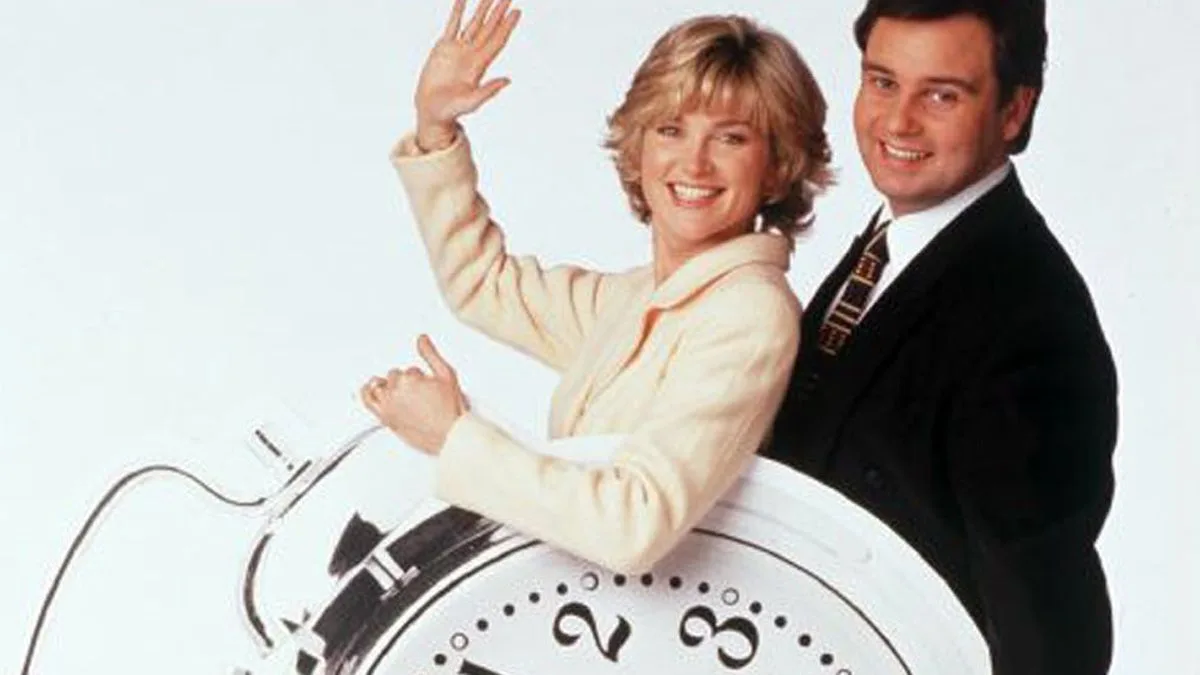
The polished world of daytime television was once home to a bitter behind-the-scenes feud, according to presenter Anthea Turner. She has opened up about the "toxic" atmosphere she experienced while working alongside Eamonn Holmes on GMTV in the mid-1990s, alleging his envy over her career moves was the root cause.
A frosty start on the GMTV sofa
Anthea Turner joined Eamonn Holmes on the iconic GMTV sofa in 1994, but she claims friction was almost instant. Turner, who came from an entertainment background, believes Holmes, a trained journalist, looked down on her professional credentials. "That caused tension from the start," she has stated.
The situation escalated rapidly when, shortly after her arrival, Turner was offered the prestigious role of presenting The National Lottery draw. Her debut in that role pulled in a massive audience of around 22 million viewers. Turner asserts that this success significantly annoyed her co-host.
The 'toxic' environment and a dramatic exit
According to Turner, Eamonn Holmes responded by lobbying GMTV bosses to have her removed from the show, criticising her as "too ambitious." He also reportedly gave her the belittling nickname 'Princess Tippy Toes'. Turner felt she was unfairly characterised for her drive, noting a double standard compared to male colleagues.
"I was always asked if I was ambitious and, if I said yes, I was made out to be a ruthless person," she explained. "And yet ask that question to a man, and if he’s ambitious, we think: 'What a guy'. You’d never hear anyone say that about Eamonn."
Unable to endure the atmosphere, Anthea Turner made the decision to walk away from GMTV on Christmas Eve 1996, ending two turbulent years on the show.
A strained 'reunion' and lingering hurt
Over a decade later, Turner admitted she was still "hurt" by the experience and the way she was perceived. A much-publicised televised reunion on This Morning in 2018 did little to suggest a genuine reconciliation.
During that appearance, Turner made a cryptic comment about her relationship with Holmes, saying, "There is a fine line between hate and love isn't there?" The remark created a tense moment, particularly with Holmes's then-wife Ruth Langsford, who was present.
Despite headlines suggesting they had buried the hatchet, Turner later clarified that talk of a renewed friendship was exaggerated. She referenced a "Good Friday Agreement" they had signed years prior in Belfast, but confirmed they do not speak regularly.
The story highlights the intense pressures and rivalries that can exist beneath the cheerful surface of live television, with Turner's account painting a picture of professional envy and a difficult working environment that lasted for years.