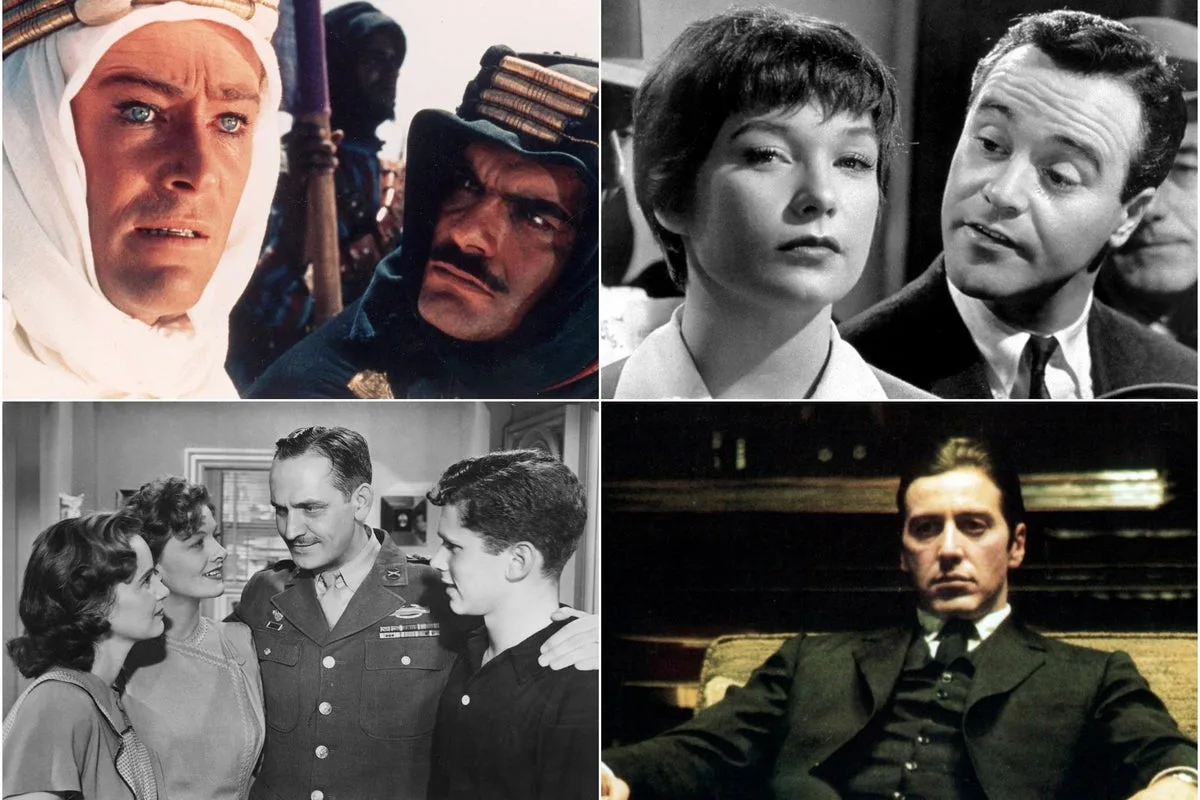
Looking back at the list of Best Picture winners reveals that almost every film remains in circulation. The very first winner, William Wellman's Wings (1927), is readily available on DVD and Blu-Ray, alongside other early winners such as Cimarron and Broadway Melody. Most recipients are instantly recognisable to any film lover, though blind spots exist: the Academy never selects foreign-language titles and has recently shunned comedies.
While The Shape of Water won in 2018, voters are generally wary of genre pictures, with few sci-fi or martial arts titles on the list. A growing divide persists between Oscar winners and box-office hits, yet the Best Picture Oscar remains one of the most reliable indicators of films that will have an afterlife.
William Wyler's The Best Years of Our Lives (1946) follows three veterans from different classes struggling to readjust to civilian life. Some accuse the film of being pious, but it deals frankly with soldiers' problems and their families' difficulties in understanding them. It won its Oscar in the same year It's a Wonderful Life was nominated.

Gene Kelly's An American in Paris (1951) is one of the greatest MGM musicals, showcasing extraordinary artistry in choreography, colour, and sound. The ballet sequence at the end stands alongside The Red Shoes as a perfect example of balanced filmmaking.
Casablanca (1943), produced by Hal Wallis, combined mainstream appeal with social conscience, dealing with refugees, betrayal, and wartime politics. The script by Julius and Philip G Epstein provided iconic lines about gin joints, rounding up the usual suspects, and playing “As Time Goes By” that are still quoted today.
Elia Kazan's On the Waterfront (1954) can be read as the director's justification for naming names during the communist witch hunts. Its politics are complicated, but it is magnificently acted, with Marlon Brando giving arguably his greatest performance as Terry Molloy, a dockworker who could have been a contender.
David Lean's Lawrence of Arabia (1962) offers a probing portrayal of T.E. Lawrence (Peter O'Toole), the masochist who is both the quintessential English hero and outsider. Seen in 70mm, it makes astonishing viewing.
Joseph L. Mankiewicz's All About Eve (1950) boasts some of the most caustic dialogue in any Hollywood Best Picture winner. Bette Davis and Anne Baxter shine as the established star and the ruthless young pretender, matched by George Sanders' acidic performance as theatre critic Addison DeWitt.
The Godfather Part II (1974), still the greatest sequel in Hollywood history, emulated its predecessor by winning Best Picture and outstripped it in craftsmanship and performances. Gordon Willis's cinematography and parallel stories of Michael Corleone (Al Pacino) and young Vito Corleone (Robert De Niro) are masterful.